Molecular basis of polyadenylated RNA fate determination in the nucleus
Eukaryotic genomes generate a plethora of polyadenylated (pA+) RNAs1,2, which are packaged into ribonucleoprotein particles (RNPs). To ensure faithful gene expression, functional p...
News Desk
Staff Writer
Published
Jun 18, 2026
Source
Nature
Analytics
0 0 0
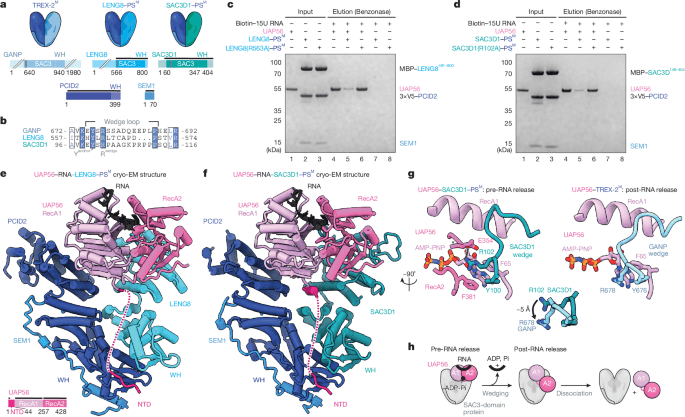
AI Insight:Understanding the molecular basis of polyadenylated RNA fate determination in the nucleus is crucial for unraveling the intricacies of gene expression and its potential dysregulation in various diseases.
Eukaryotic genomes generate a plethora of polyadenylated (pA+) RNAs, which are packaged into ribonucleoprotein particles (RNPs). To ensure faithful gene expression, functional pA+ RNAs must be accurately sorted and processed within the cell. Recent studies have shed light on the molecular mechanisms governing the fate of pA+ RNAs in the nucleus, revealing a complex interplay of RNA-binding proteins, nuclear export factors, and post-transcriptional modifications. These findings have significant implications for our understanding of the regulation of gene expression and may provide new avenues for therapeutic intervention in diseases characterized by aberrant RNA processing, such as cancer and neurodegenerative disorders.