Trending
‘Every customer needs to make their own decision’: Inside Everpure’s data sovereignty balancing actScientists Identify New Cancer Therapy TargetScientists discover rotating brain waves that coordinate sensory informationWarsh wants markets to guide the Fed, not the other way aroundStock Takes: After the Iran deal, will the New Zealand sharemarket get back on track?Qualcomm (QCOM) Stock Is Up, What You Need To KnowMan jailed for fatally shooting cousin at wake in HammersmithPressure mounts on Gov. McKee to flex his veto power on these billsLanguage gaps in courts risk denying fair justice - UNIMACSadiq Khan accused of misleading Londoners over TfL fare evasion crackdownChick-Fil-A Has Officially Been Dethroned As America's Top-Rated Fast Food ChainTakeaways From ‘Regime Change,’ Maggie Haberman and Jonathan Swan’s Book on Trump’s White HouseNext year to be Apple’s ‘biggest product year’ ever, here’s what’s comingMotorola Razr Fold in for reviewBuilding A 2-Way Holographic Display‘Every customer needs to make their own decision’: Inside Everpure’s data sovereignty balancing actScientists Identify New Cancer Therapy TargetScientists discover rotating brain waves that coordinate sensory informationWarsh wants markets to guide the Fed, not the other way aroundStock Takes: After the Iran deal, will the New Zealand sharemarket get back on track?Qualcomm (QCOM) Stock Is Up, What You Need To KnowMan jailed for fatally shooting cousin at wake in HammersmithPressure mounts on Gov. McKee to flex his veto power on these billsLanguage gaps in courts risk denying fair justice - UNIMACSadiq Khan accused of misleading Londoners over TfL fare evasion crackdownChick-Fil-A Has Officially Been Dethroned As America's Top-Rated Fast Food ChainTakeaways From ‘Regime Change,’ Maggie Haberman and Jonathan Swan’s Book on Trump’s White HouseNext year to be Apple’s ‘biggest product year’ ever, here’s what’s comingMotorola Razr Fold in for reviewBuilding A 2-Way Holographic Display

The nose knows: Electric schnoz can smell when your food’s gone bad

A new proof-of-concept device created by UC Berkeley researchers can sniff out gases emitted by harmful bacteria, allergens and other food safety hazards....

News Desk

Staff Writer

Published

Jun 18, 2026

Source

University of California, Berkeley

Analytics

0 0 0
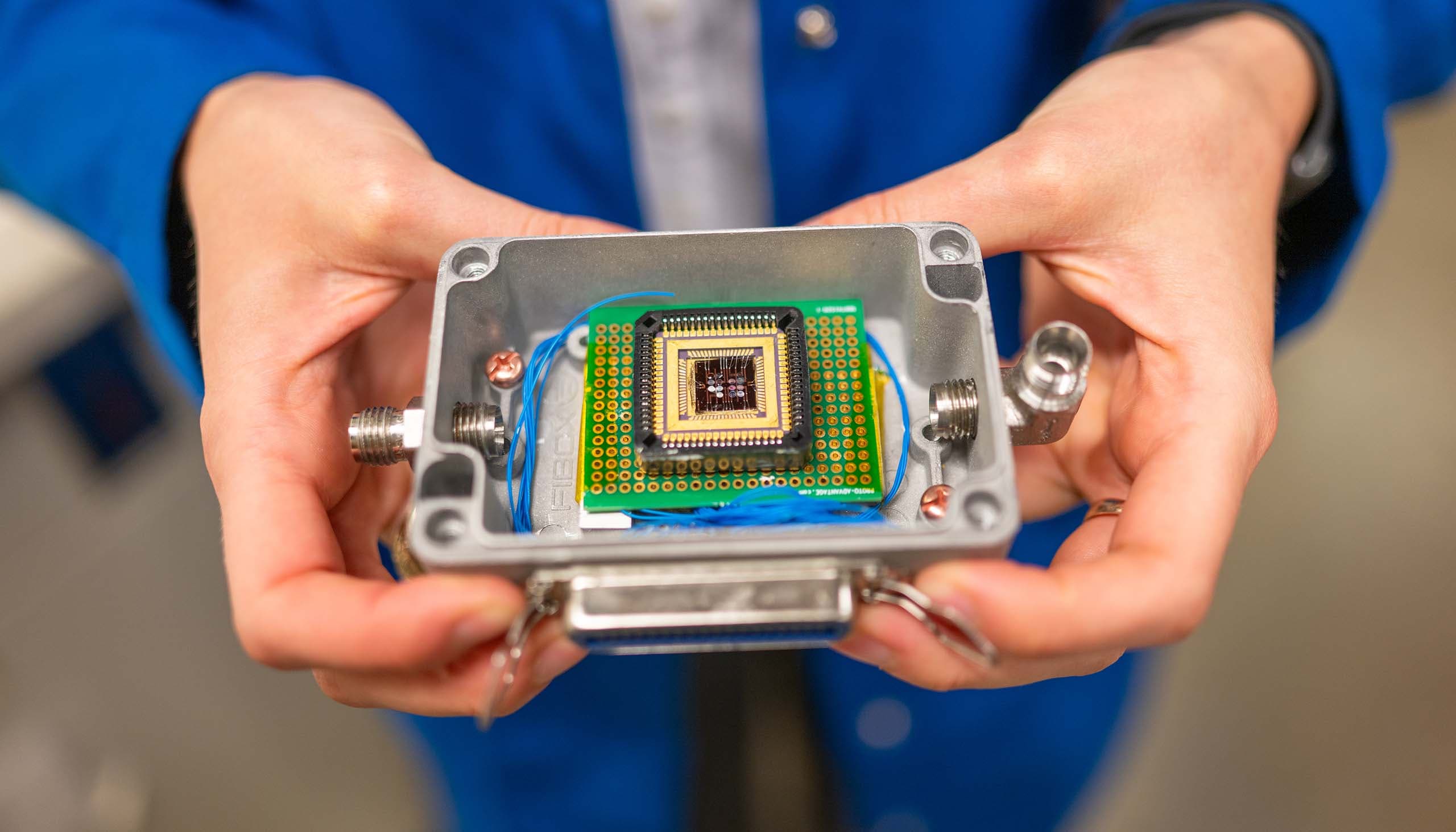
The nose knows: Electric schnoz can smell when your food’s gone bad

AI Insight:This technology has significant implications for food safety and could revolutionize the way we detect spoiled or contaminated food.

A new proof-of-concept device created by UC Berkeley researchers can sniff out gases emitted by harmful bacteria, allergens and other food safety hazards. This innovative device uses an electric nose, essentially a sensor array, to mimic the human sense of smell and identify specific volatile organic compounds (VOCs) that are indicative of spoiled or contaminated food. The researchers used machine learning algorithms to train the device to recognize patterns in the VOCs emitted by various types of bacteria, allergens, and other food safety hazards. The device's ability to detect these hazards could have a significant impact on food safety, particularly in industries where food is frequently handled, such as restaurants, grocery stores, and food processing facilities. By providing an early warning system for food contamination, this technology could help prevent foodborne illnesses and protect public health.