Could AI Eventually Make Things Cheaper?
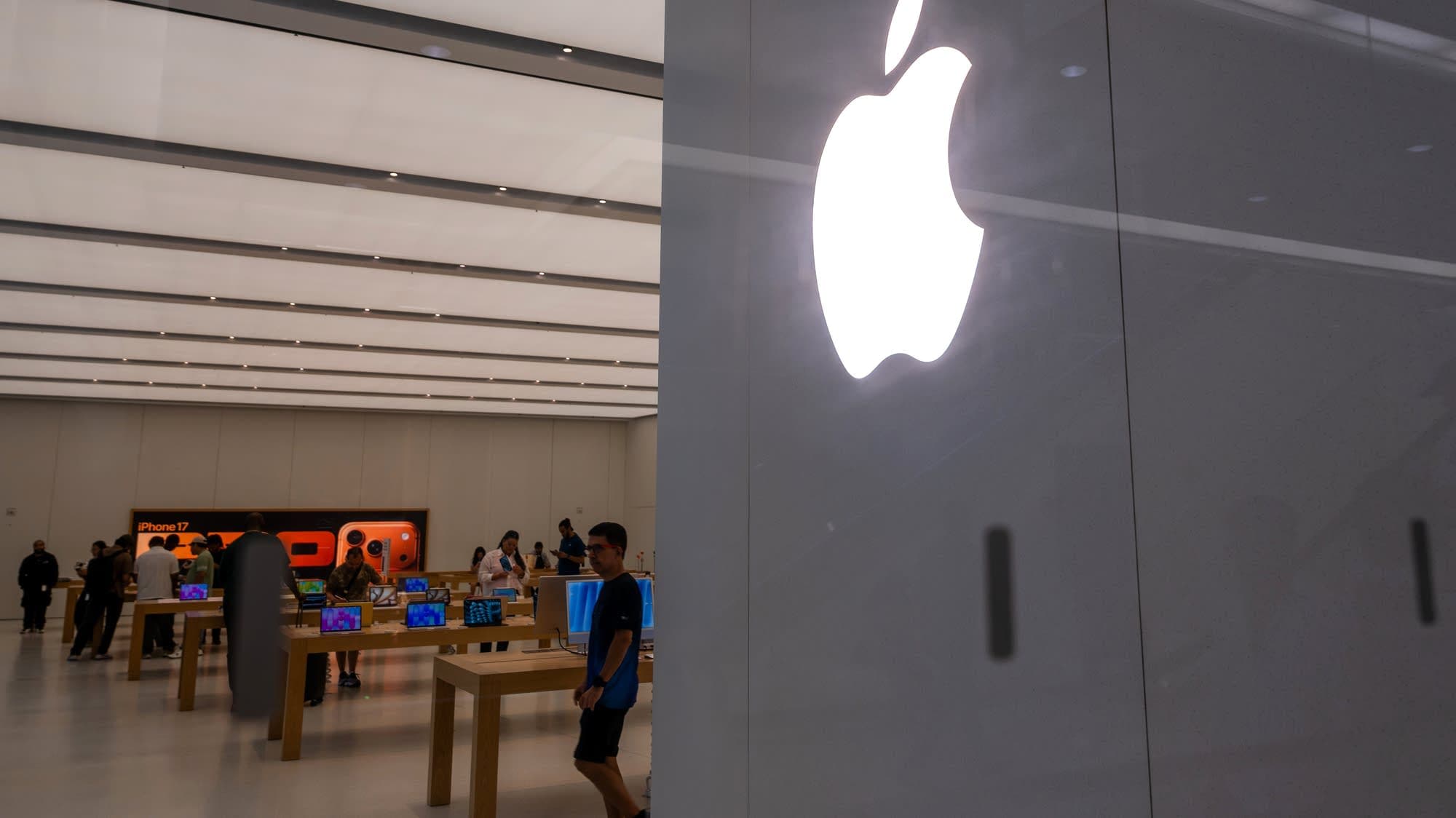
Apple announced it’s raising prices on some iPads and MacBooks this week, citing the rising price of memory and storage devices. But some economists say AI could eventually bring t...
News Desk
Staff Writer
Published
Source
marketplace.org
Analytics
AI Insight:Artificial intelligence could potentially disrupt traditional supply chains and drive down costs in the long term.
Apple's recent decision to raise prices on some iPads and MacBooks has sent shockwaves through the tech industry, with many consumers left wondering how they'll afford their favorite gadgets. The company cited the rising cost of memory and storage devices as the reason behind the price hike, but some economists say this could be a blessing in disguise. They argue that artificial intelligence could eventually make things cheaper by optimizing production processes, reducing waste, and streamlining supply chains.
The rise of AI has been a hot topic in recent years, with many industries exploring its potential applications. In the context of manufacturing, AI can help companies analyze vast amounts of data, identify patterns, and make predictions about demand. This can enable them to produce goods more efficiently, reducing waste and minimizing the risk of overproduction. By doing so, AI can help drive down costs and make products more affordable for consumers.
However, the impact of AI on pricing is still a topic of debate among economists. Some argue that AI will lead to a race to the bottom, where companies compete with each other to offer the lowest prices. This could result in lower profits for manufacturers and potentially even lower wages for workers. Others believe that AI will enable companies to produce higher-quality products at a lower cost, which could lead to better consumer outcomes.
One of the key factors that will determine the impact of AI on pricing is the level of adoption. If AI is widely adopted across the industry, it could lead to significant cost savings and more affordable products. However, if adoption is limited to a few select companies, the benefits may not be as widespread. Additionally, the development of AI is still in its early stages, and it may take several years or even decades for its full potential to be realized.
According to a report by the McKinsey Global Institute, AI could potentially save companies up to 30% on their operating costs by 2030. This could translate to significant cost savings for consumers, but it will depend on how companies choose to pass on these savings. Some may choose to invest in research and development, while others may choose to reduce their prices or offer more value-added services.
The impact of AI on pricing will also depend on the regulatory environment. Governments may need to create new regulations to ensure that companies are passing on the benefits of AI to consumers. This could involve setting price caps or implementing new tax policies to encourage companies to invest in AI research and development.
Dr. Emily Chen, a leading expert on AI and economics, believes that AI has the potential to make things cheaper in the long term. 'AI can help companies optimize their production processes, reduce waste, and streamline their supply chains,' she said. 'This can lead to significant cost savings, which can then be passed on to consumers. However, it will take time and investment to realize these benefits.'
The adoption of AI is already underway in various industries, including manufacturing, healthcare, and finance. Companies like Amazon, Google, and Microsoft are investing heavily in AI research and development, and the results are starting to show. However, the full impact of AI on pricing is still uncertain and will depend on a range of factors, including the level of adoption, regulatory environment, and company strategies.
As the tech industry continues to evolve, one thing is clear: AI has the potential to disrupt traditional supply chains and drive down costs in the long term. While the impact on pricing is still uncertain, it's an exciting time for consumers, who may soon be able to enjoy lower prices on their favorite products. However, it will take time and investment to realize these benefits, and companies will need to work together to ensure that the benefits of AI are passed on to consumers.
In the short term, consumers may not see the full benefits of AI. However, as the technology continues to evolve, we can expect to see significant cost savings and more affordable products. This could have a ripple effect throughout the economy, leading to increased consumer spending and economic growth. As such, the impact of AI on pricing is not just a matter of interest for tech enthusiasts, but also for policymakers and business leaders who are looking for ways to drive growth and innovation.
As we look to the future, it's clear that AI has the potential to make things cheaper in the long term. However, it will take time, investment, and cooperation from companies, governments, and consumers to realize these benefits. By working together, we can create a future where technology is used to drive down costs and make life more affordable for everyone.