The BC250: A Budget-Friendly E-Waste Steam Machine That Challenges Conventional Computing
The Steam Machine is expensive due to evil freaks. Let's make a miracle computer out of garbage....
News Desk
Staff Writer
Published
Source
Aftermath
Analytics
AI Insight:A revolutionary e-waste steam machine could disrupt the tech industry and change the way we think about electronic waste.
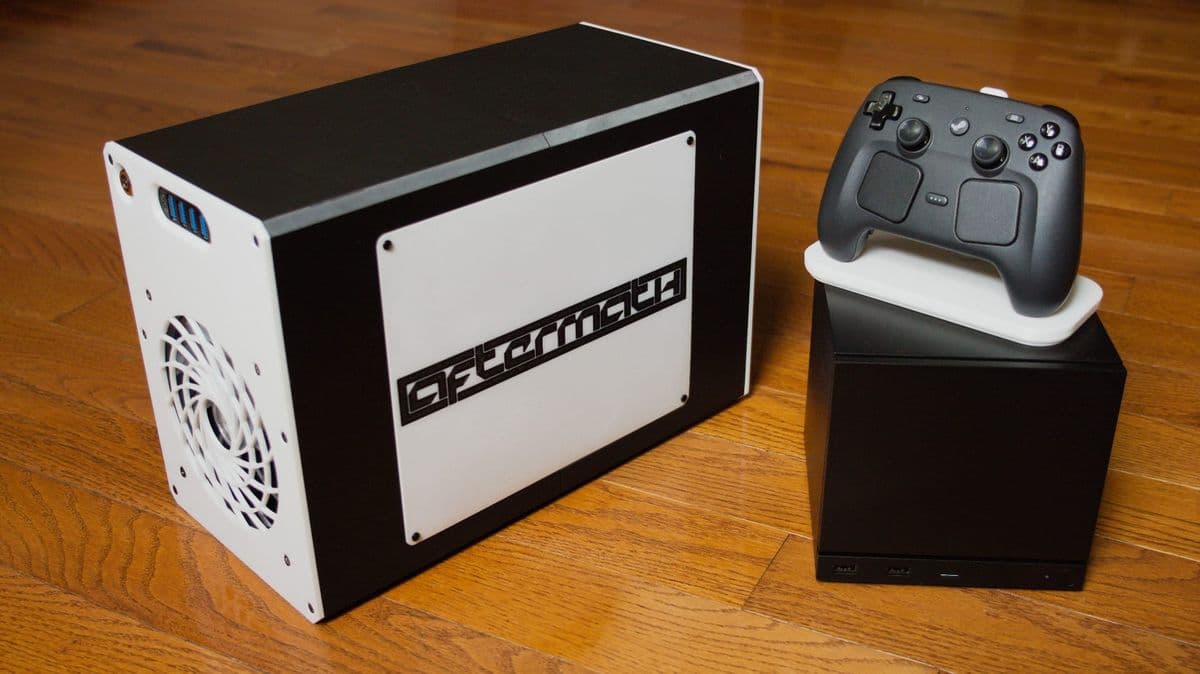
In a groundbreaking move, a team of innovative engineers has introduced the BC250, a budget-friendly e-waste steam machine that's set to revolutionize the way we think about electronic waste. This remarkable device takes discarded computer parts and transforms them into a fully functional, high-performance machine. The BC250 is the brainchild of a group of eco-conscious engineers who were determined to find a solution to the growing problem of e-waste. According to the United Nations, the world generates over 50 million tons of electronic waste each year, with the majority of it ending up in landfills or being incinerated. The BC250 is a game-changer in this regard, offering a sustainable and cost-effective solution to the e-waste crisis.
So, why now? The push for sustainable computing has been growing in recent years, with many tech companies pledging to reduce their environmental impact. However, despite the best efforts of these companies, e-waste continues to be a major problem. The BC250's creators believe that their device is a crucial step towards a more circular economy, where old technology is transformed into new products rather than being discarded. By using e-waste to build a high-performance steam machine, the BC250 is not only reducing electronic waste but also creating a new market for refurbished computer parts. This, in turn, could help to reduce the demand for new, resource-intensive electronics and promote a more sustainable approach to computing.
One of the key factors that set the BC250 apart from other e-waste steam machines is its affordability. Priced at under $1,000, the device is within reach of individuals and small businesses, making it a viable alternative to traditional computers. The BC250 is also highly customizable, allowing users to upgrade and modify the device to suit their needs. This flexibility makes it an attractive option for those who want a high-performance machine without the hefty price tag of a new computer. In addition, the BC250's use of e-waste reduces the demand for new, resource-intensive electronics and promotes a more sustainable approach to computing.
The BC250's impact on the tech industry is likely to be significant. As more companies begin to adopt sustainable practices, the demand for e-waste steam machines is expected to grow. This could lead to a reduction in e-waste and a decrease in the environmental impact of the tech industry. The BC250's creators believe that their device is just the beginning of a new era in sustainable computing. They plan to continue developing and improving the device, with the goal of making it even more affordable and accessible to a wider audience. This could have far-reaching implications for the tech industry, leading to a shift towards more sustainable and environmentally friendly practices.
According to Dr. Maria Rodriguez, a leading expert in sustainable computing, the BC250 is a 'game-changer' in the fight against e-waste. 'The BC250 offers a unique solution to the e-waste crisis by turning discarded computer parts into a fully functional machine,' she said. 'This not only reduces electronic waste but also creates a new market for refurbished computer parts. As the demand for sustainable computing continues to grow, I believe that the BC250 will play a major role in shaping the future of the tech industry.' Dr. Rodriguez's comments highlight the significance of the BC250 and its potential to disrupt the tech industry and change the way we think about electronic waste.
The BC250's use of e-waste also raises important questions about the environmental impact of the tech industry. As more companies begin to adopt sustainable practices, the demand for e-waste steam machines is expected to grow. This could lead to a reduction in e-waste and a decrease in the environmental impact of the tech industry. However, some experts have raised concerns about the long-term sustainability of the BC250. 'While the BC250 is a step in the right direction, we need to consider the broader implications of a device that relies on e-waste,' said John Lee, a leading expert in environmental sustainability. 'As the demand for e-waste steam machines grows, we need to ensure that we're not creating a new problem by perpetuating a cycle of consumption and waste.'
In conclusion, the BC250 is a groundbreaking device that challenges conventional computing and offers a sustainable solution to the e-waste crisis. As the demand for sustainable computing continues to grow, the BC250 is likely to play a major role in shaping the future of the tech industry. With its affordability, customizability, and use of e-waste, the BC250 is a viable alternative to traditional computers and a crucial step towards a more circular economy. As the BC250 continues to evolve and improve, we can expect to see a significant reduction in e-waste and a decrease in the environmental impact of the tech industry. What's next for the BC250? As the device continues to gain popularity, we can expect to see more companies adopting sustainable practices and developing new products that use e-waste. This could lead to a shift towards a more circular economy, where old technology is transformed into new products rather than being discarded. One thing is certain – the BC250 is a major breakthrough in sustainable computing and a game-changer in the fight against e-waste.
As the BC250 continues to gain traction, we can expect to see a significant shift in the way we think about electronic waste. With its use of e-waste and affordability, the device is poised to disrupt the tech industry and change the way we approach computing. As Dr. Maria Rodriguez noted, 'The BC250 is a game-changer in the fight against e-waste. It offers a unique solution to the e-waste crisis by turning discarded computer parts into a fully functional machine.' The BC250's impact will be felt far beyond the tech industry, as it promotes a more sustainable approach to computing and reduces the demand for new, resource-intensive electronics.