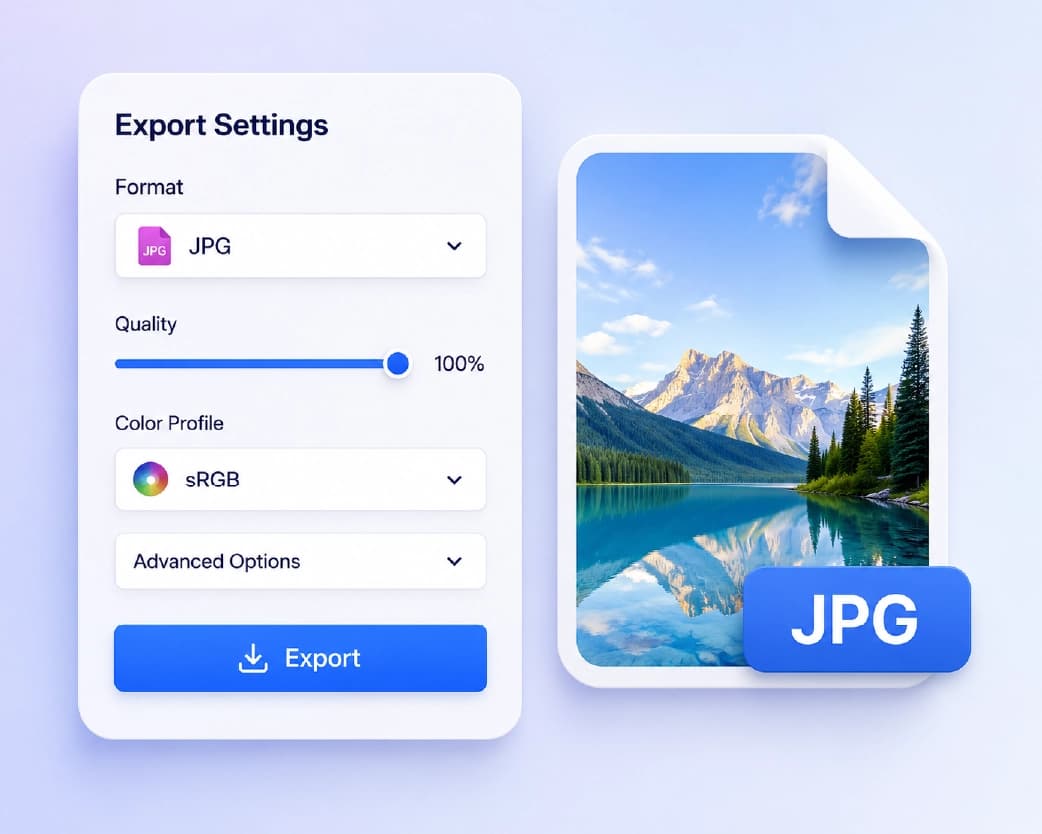
Free Photo Metadata Editor & EXIF Stripper: Share Photos Without Sharing Secrets
Back to Blog

Free Photo Metadata Editor & EXIF Stripper: Share Photos Without Sharing Secrets

P
Plainscan Team
November 7, 2026
4 min read
Share

You take a photo of the couch you’re selling and post it online. Simple, right? Here’s what you may not know. That photo might also contain the exact spot where you took it. If you took it at home, that could be your home address, tucked inside the file where nobody can see it. This hidden information is called metadata, and the most common type is EXIF data. A free photo metadata editor & EXIF stripper lets you look at it, change it, or remove it. Let’s go through what it all means and how to use it.

What Is Photo Metadata?

Metadata means “data about data.” In a photo, it’s extra information stored inside the file, separate from the picture itself.

The most common kind is EXIF, which stands for Exchangeable Image File Format. Your phone or camera adds it automatically every time you take a picture.

It can include:

  • The date and time the photo was taken
  • Your camera or phone model
  • Camera settings, like exposure and flash
  • The image size and orientation
  • GPS coordinates, if location tagging is on
  • The software used to edit the photo

There are other types too. IPTC and XMP data can hold captions, keywords, the photographer’s name, and copyright notes. Photographers add these on purpose. But EXIF data usually gets added without you doing a thing.
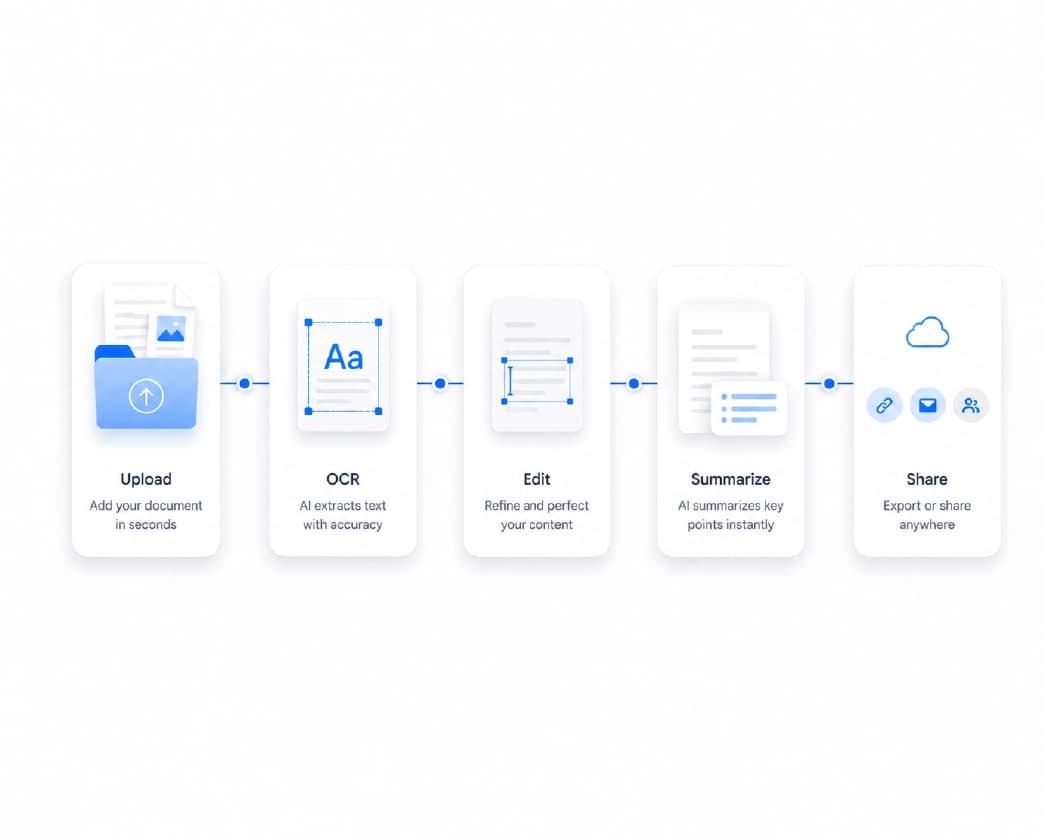
What Is Photo Metadata and EXIF Data

Why Should You Care?

For most photos, none of this is a big deal. A picture of your lunch with a timestamp isn’t dangerous.

But some photos are different.

Location. GPS data can show exactly where a photo was taken. If you share pictures from your home, your kid’s school, or your workplace, you could be giving away more than you meant to.

Dates and habits. Time stamps can show when you’re home and when you’re not.

Device details. Your phone model and settings are probably harmless, but it’s still information you may not want to hand out.

Many big social media sites remove most of this data when you upload. But not all do, and you can’t always count on it. Sending a photo as a file through email, a cloud link, or a messaging app’s “send as document” option may keep every bit of it. So it’s smart to check for yourself.

What Does a Photo Metadata Editor Do?

It lets you view and change the hidden data in your image files. Depending on the tool, you can:

  • See everything stored in the photo
  • Edit certain fields, like the date, title, or author
  • Add your name and copyright details
  • Remove specific pieces, like just the GPS location
  • Strip all of it at once

You might also see it called an image metadata editor or an EXIF viewer. The viewing part is the first step. Seeing what’s in your photo is often a real eye-opener.

What Is an EXIF Stripper?

It’s a tool that removes the hidden data in one go. You upload your photo, it wipes the metadata, and you download a clean copy. The picture looks exactly the same. The extra information is just gone.

You’ll also see it called an EXIF data remover. Both names mean the same thing, and it’s the quickest way to protect your privacy before sharing.

Photo Metadata Editors and EXIF Strippers Explained

How to Remove EXIF Data From Photos Step by Step

Most online tools follow the same simple path.

Upload Your Photo

Pick the image from your phone or computer. Some tools let you add several at once, which is handy if you’re sharing a whole set.

Look at What’s Inside

If the tool has a viewer, check what data your photo has. Pay special attention to GPS coordinates.

Choose What to Do

You can edit a few fields, remove only the sensitive ones, or strip everything. For most people sharing online, removing it all is the safest move.

Download the Clean Copy

Save the new file. Keep your original somewhere safe, because you’ll probably want its details later.

Double-Check

Run the cleaned photo through the viewer again. Make sure the location and other details are really gone.

How to Remove EXIF Data From Photos Step by Step

When Should You Strip Metadata?

A good rule: when in doubt, strip it.

Here are the times it matters most. Selling something online from your home. Posting photos of your kids, house, car, or workplace. Sending pictures to people you don’t know well. Sharing photos for a news story, a complaint, or a public report. And any time you’re sending an original file instead of posting on a big social platform.

When Should You Edit Instead?

Sometimes you want to keep or fix the data instead.

If you’re a photographer, you can add your name and copyright so the credit stays with the image. If your camera’s clock was set wrong and your photos have the wrong date, you can correct it. And if you want to add a caption or keywords for your own organizing, metadata is a good place for that.

One honest note. Editing is great for fixing mistakes and adding useful details. But don’t use it to mislead people, like faking a date or location. That can cause real trouble.

Things to Watch Out For

Removing metadata isn’t always perfect. A few things to know.

Orientation. Some photos use a hidden tag to show which way is up. If a tool removes it, the picture might turn sideways. Check your result.

Color information. Some tools also remove color profile data, which can slightly change how colors look.

Not everything is metadata. If your photo shows a street sign, a house number, or a face, stripping the file won’t hide that. Look at the picture itself, too.

Metadata won’t help your SEO much. If you run a website, alt text and clear file names matter far more than EXIF data.

Prevent It at the Source

The simplest fix is to stop collecting location data in the first place. Most phones let you turn off location tagging for the camera app. Then future photos won’t carry GPS coordinates at all. You can switch it back on whenever you want it.
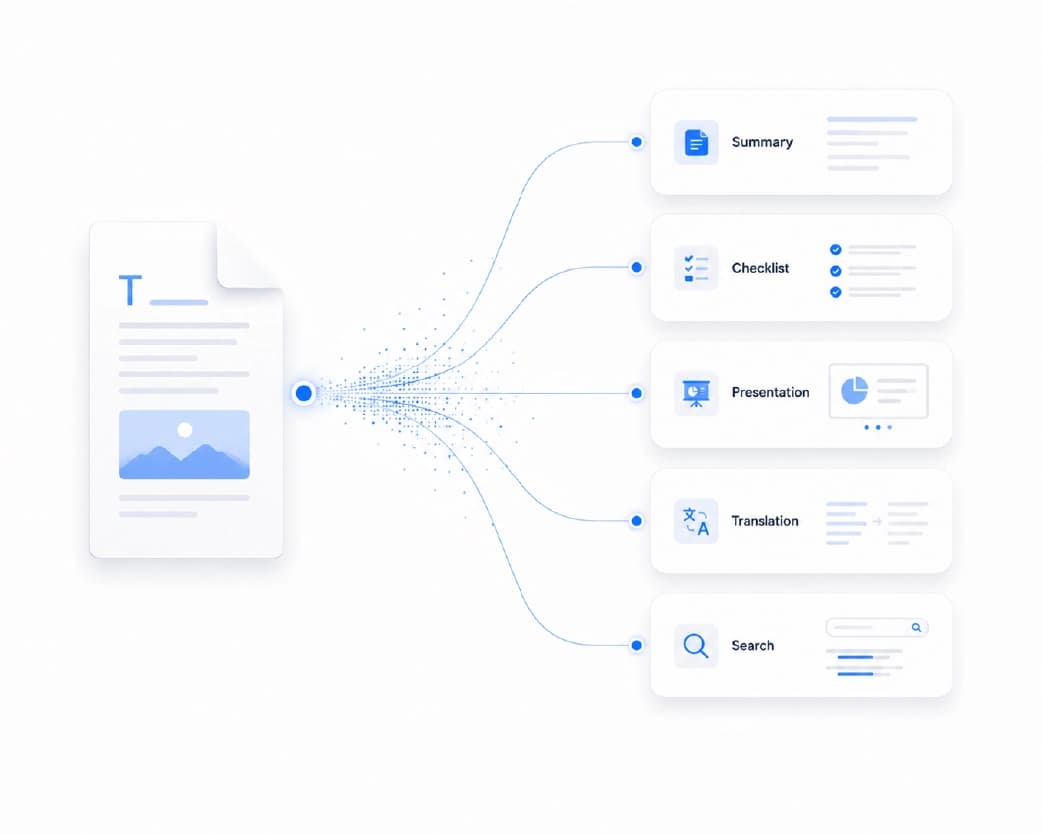
Clean Up Your Images With Plainscan

Clean Up Your Images With Plainscan

Plainscan is a browser-based set of document and image tools. Once your photo’s hidden data is handled, you can use its image tools to finish the job. Compress Image shrinks big photos so they upload faster. Crop Image trims out parts you don’t want to show. Remove BG clears away a background. And if you’re sending documents, the redaction option on the site helps you black out sensitive details in a file. Plainscan also processes files over secure HTTPS connections and deletes them within 24 hours, but as always, avoid uploading anything you’d hate to see made public.

You can try the tools at Plainscan.

Conclusion

Your photos say more than you think. A free photo metadata editor & EXIF stripper lets you see what’s hiding in them and decide what stays. Check your metadata, strip the sensitive parts before sharing, keep your originals safe, and turn off location tagging if you don’t need it. It only takes a minute, and it can save you a lot of worry. Next time you’re about to post or send a photo, take a quick look inside first. And if your image needs a little polish, Plainscan is ready to help.

Related insights
ID Card Templates: How to Design Clean, Professional Cards Fast

ARTICLE

ID Card Templates: How to Design Clean, Professional Cards Fast

Think about the last time you went to a big event, started a new job, or joined a club. Chances are, someone handed you a card or badge with your name on it. It’s a small thing. But it tells people who you are, where you belong, and that someone planned things properly. A messy, hand-written one does the opposite. Making ID cards from scratch can be a headache, though. Sizes, photo boxes, logos, spacing. That’s where ID card templates come in. They give you a ready-made layout, so you just add your details. Let’s go through how to pick one, how to customize it, and how to print something you’re proud of.

Plainscan Team·November 7, 2026
4 min read
Business Templates: How to Save Time and Look Professional From Day One

ARTICLE

Business Templates: How to Save Time and Look Professional From Day One

Picture a small business owner on a Tuesday night. She’s finished a great job for a client, and now she needs to send an invoice. She opens a blank document. Types the date. Wonders where the invoice number goes. Moves a table around. Fixes the font. Forty minutes later, she has something that looks okay, but she’s not sure it’s right. Next week, she’ll do it all again. This is the problem business templates solve. They give you a ready-made layout for the documents you use over and over, so you fill in the details and get back to real work. Let’s look at what they are, how to pick good ones, and how to use them well.

Plainscan Team·November 7, 2026
4 min read
Cover Letter Templates: How to Write a Strong One in 15 Minutes

ARTICLE

Cover Letter Templates: How to Write a Strong One in 15 Minutes

You finished your resume. It looks great. You’re ready to hit submit. Then you see it. “Please attach a cover letter.” Suddenly your motivation drops. What do you say? How long should it be? Do you start with “Dear Sir or Madam,” or is that a little 1995? And how do you write about yourself without sounding like you’re bragging? This is exactly where cover letter templates help. They give you the layout and a clear flow, so you’re not staring at a blank page. Let’s look at how they work, how to use them well, and how to keep your letter from sounding like everyone else’s.

Plainscan Team·November 7, 2026
4 min read
Resume Templates: How to Pick the Right One (and Make It Work for You)

ARTICLE

Resume Templates: How to Pick the Right One (and Make It Work for You)

Opening a blank document to write your resume feels like standing at the bottom of a hill. Where does your name go? How big should the font be? Should your skills come first, or your job history? Twenty minutes later, you’ve moved a text box around eleven times and written nothing. That’s what resume templates are for. They give you the layout, the spacing, and the structure. You just add your story. Let’s talk about how to pick the right one, how to fill it in, and what to avoid.

Plainscan Team·November 7, 2026
4 min read
Free Favicon Generator: How to Make a Site Icon in Minutes

ARTICLE

Free Favicon Generator: How to Make a Site Icon in Minutes

Look at the top of your browser right now. See those little pictures next to the page titles? Those are favicons. They’re tiny, but they do a lot. When you have ten tabs open, the icon is how you find the right one fast. When someone bookmarks your site, the icon helps them spot it in a long list. And a site with no icon at all looks a bit unfinished, like a house with no front door sign. The good news is that you don’t need a designer to make one. A free favicon generator can turn your logo into a full set of icons in about a minute. Let’s walk through it.

Plainscan Team·November 7, 2026
4 min read
Base64 to Image Decoder: How to Turn a Long String Back Into a Picture

ARTICLE

Base64 to Image Decoder: How to Turn a Long String Back Into a Picture

Someone sends you an API response. Or you open an email’s source code. Or you copy something out of a database. And right there, in the middle of it all, is a wall of text a mile long. It starts with something like “data:image/png;base64,” and then it just keeps going. Hundreds, maybe thousands of characters. That’s an image in disguise. And to see it, you need a Base64 to image decoder. Let’s go through what it does, how to use it, and what to do when it throws an error.

Plainscan Team·November 7, 2026
4 min read
Image to Base64 Converter: How to Turn Any Image Into Text (and When You Should)

ARTICLE

Image to Base64 Converter: How to Turn Any Image Into Text (and When You Should)

If you’ve ever poked around inside a website’s code, you might have seen something strange. A giant wall of random-looking letters and numbers, starting with “data:image/png;base64.” It looks like a cat walked across the keyboard. But it’s not random. It’s an actual image, turned into text. And the tool that makes it is called an image to Base64 converter. You might need one if you’re building a website, writing an email template, or working with an app that only accepts text. Let’s break down what Base64 is, how to use a converter, and the mistakes that trip people up.

Plainscan Team·November 7, 2026
4 min read
Free Character Counter: How to Check Letters, Spaces, and Limits Fast

ARTICLE

Free Character Counter: How to Check Letters, Spaces, and Limits Fast

You write the perfect bio. It’s funny, short, and sounds just like you. Then the app says it’s too long. You delete a word. Still too long. You delete another. Now it doesn’t make sense. This happens all the time, and it’s why a free character counter is so handy. Instead of guessing which words to cut, you see the exact number and know how far over you are. Let’s go through how it works, when you need one, and how to use it well.

Plainscan Team·November 6, 2026
4 min read
Free Word Counter: How to Check Words, Characters, and More in Seconds

ARTICLE

Free Word Counter: How to Check Words, Characters, and More in Seconds

“Write 500 words.” Seems simple until you’re staring at your draft wondering if you’re at 380 or 620. You could count by hand, but who has time for that? And if you guess wrong, you might lose points, get a post rejected, or have to rewrite half of it at the last minute. That’s where a free word counter comes in. Paste your text, and you see the numbers right away. Let’s look at what it does, who needs it, and how to use it without any stress.

Plainscan Team·November 6, 2026
4 min read
ATS Resume Scanner: How to Check Your Resume Before You Apply

ARTICLE

ATS Resume Scanner: How to Check Your Resume Before You Apply

You spent hours on your resume. You fixed the wording, checked the spelling, and made it look great. Then you applied to twenty jobs and heard back from none. That’s a rough feeling. And it makes you wonder what’s going wrong. Sometimes the problem isn’t your experience at all. It’s that the company’s software couldn’t read your resume properly. Most mid-size and large companies use something called an ATS, and if your file confuses it, your resume may never reach a person. A good ATS resume scanner can show you what the software sees, so you can fix problems before you hit apply.

Plainscan Team·November 6, 2026
4 min read

Get the Plainscan App for iOS & Android