How to Extract Audio from Any Video (And Save It as MP3)
Back to Blog

How to Extract Audio from Any Video (And Save It as MP3)

P
Plainscan Team
November 6, 2026
4 min read
Share

You’ve got a two-hour lecture on video. You’d love to listen on the bus. But you don’t need to watch it. The professor mostly talks while a slide sits there. Or you recorded an interview on your phone, and the video file is giant. All you really need is the voices. That’s when you want the audio and nothing else. The good news is you can extract audio from any video in a few minutes, with no software to install. I’ll show you how it works, which format to pick, and a few things to know before you start.

What Does “Extract Audio” Mean?

A video file is really two things packed together. There’s the picture, and there’s the sound. Extracting audio just means pulling the sound out and saving it as its own file.

Think of a sandwich. The video is the whole sandwich. The audio is the filling. You take it out and keep it, and the original sandwich stays exactly as it was. Your video doesn’t get changed, and you end up with a new audio file next to it.

People also call this converting video to audio, saving audio from a video, or turning MP4 into MP3. Same idea, different names.
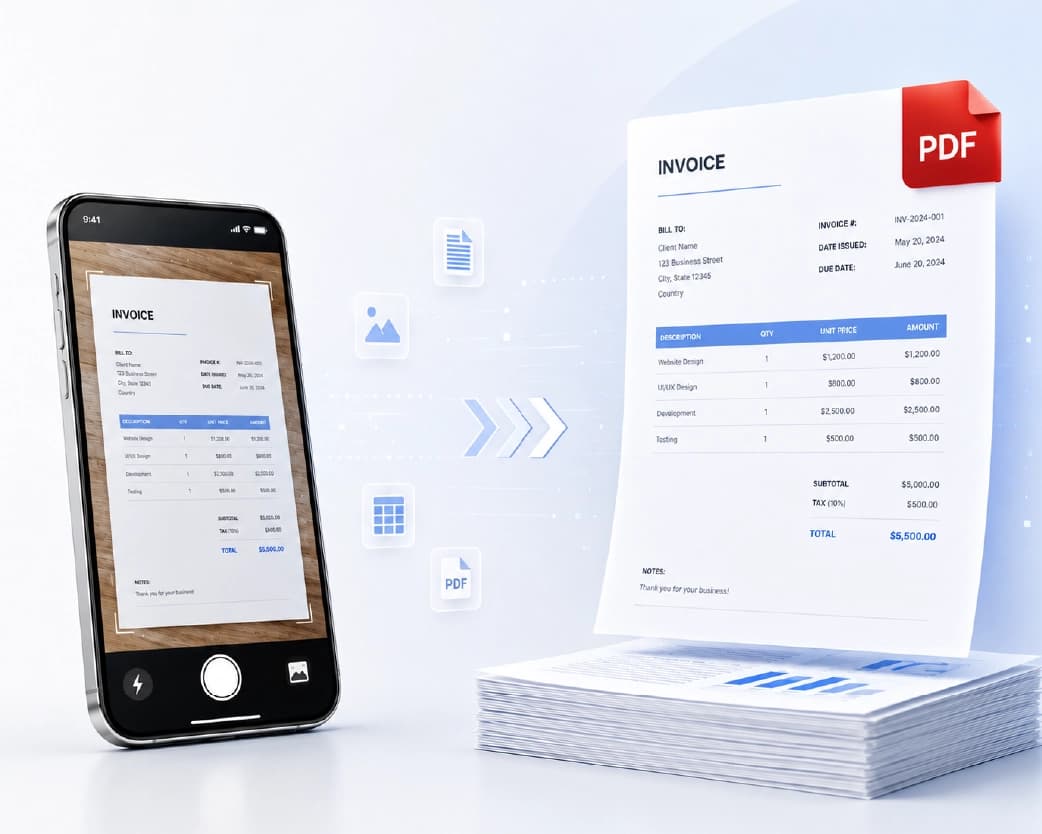
Extract Audio from Any Video and Save as MP3 Online

Why Would You Want to Do This?

There are a bunch of good reasons.

Size is a big one. Audio files are much smaller than video files. A huge video can become a tiny audio file, which is easier to send, store, and play. Listening on the go is another. Lectures, talks, and interviews work great as audio when you’re walking, commuting, or doing chores.

Transcription is a common reason too. Many transcription tools like audio files better, and they upload faster than video. If you make podcasts, you might record on video and want a separate audio version. Musicians sometimes pull audio from their own practice videos to listen back. And if you’ve got an old family video, saving just the audio can help you keep a voice you love.

Which Audio Format Should You Pick?

You’ll usually see three choices.

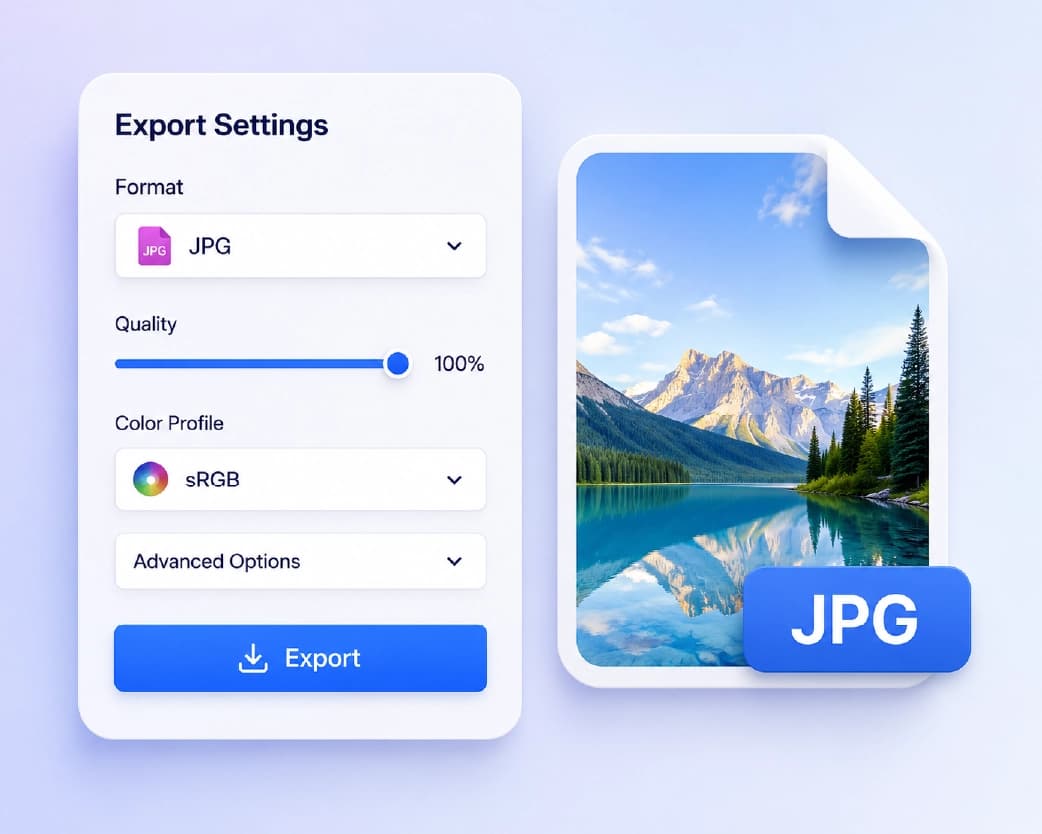
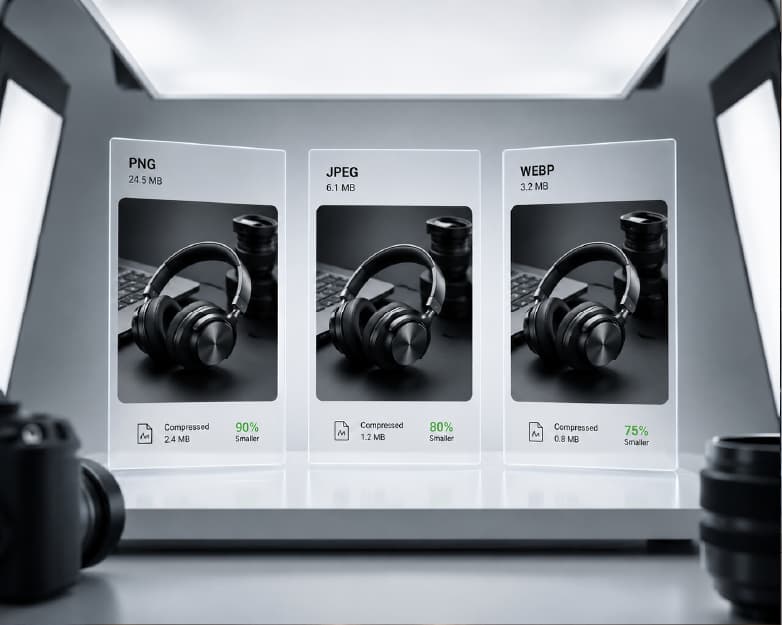
  • MP3: The one most people want. It’s small, plays on nearly every device, and sounds good enough for talking and most music.
  • M4A: Similar and often used on Apple devices, with good quality at small sizes.
  • WAV: Keeps everything with no squeezing, so the quality is the best, but the files are much bigger. It’s useful if you plan to edit the audio later.

If you’re not sure, go with MP3. It works almost everywhere.
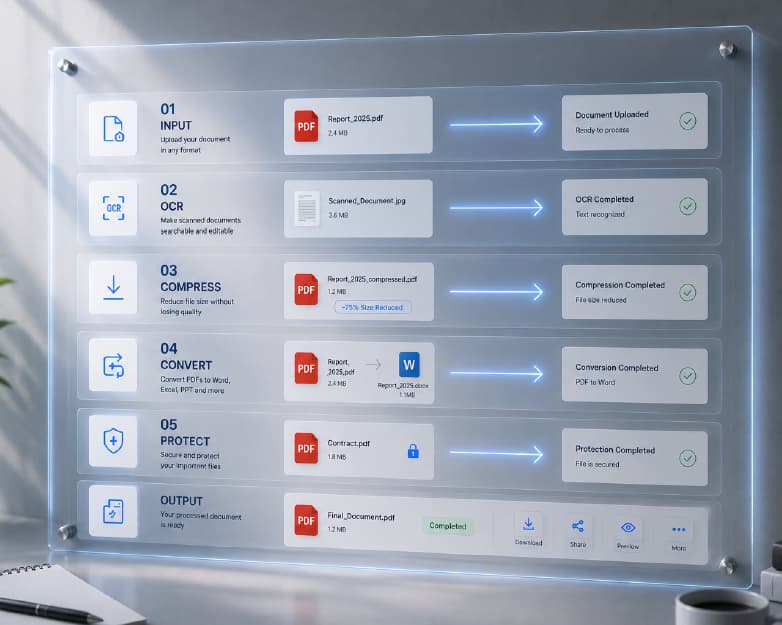
Choosing Audio Formats MP3 M4A and WAV

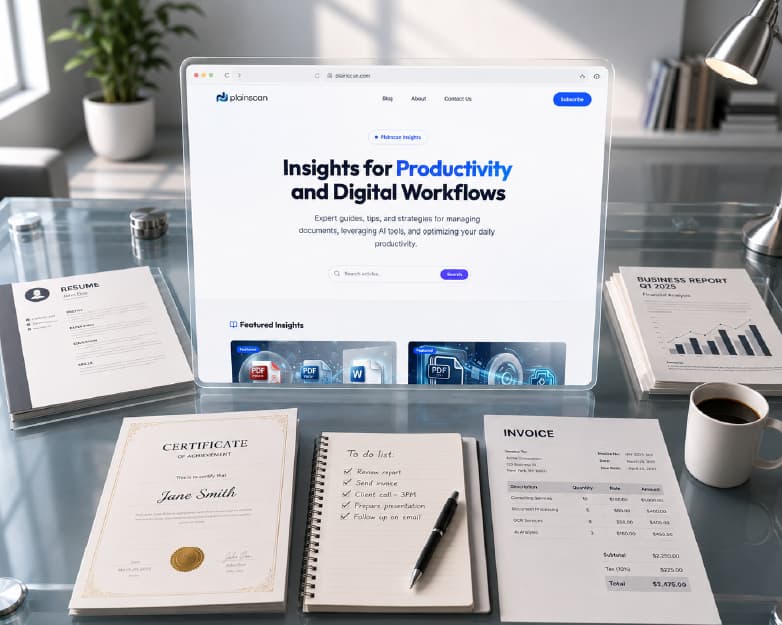
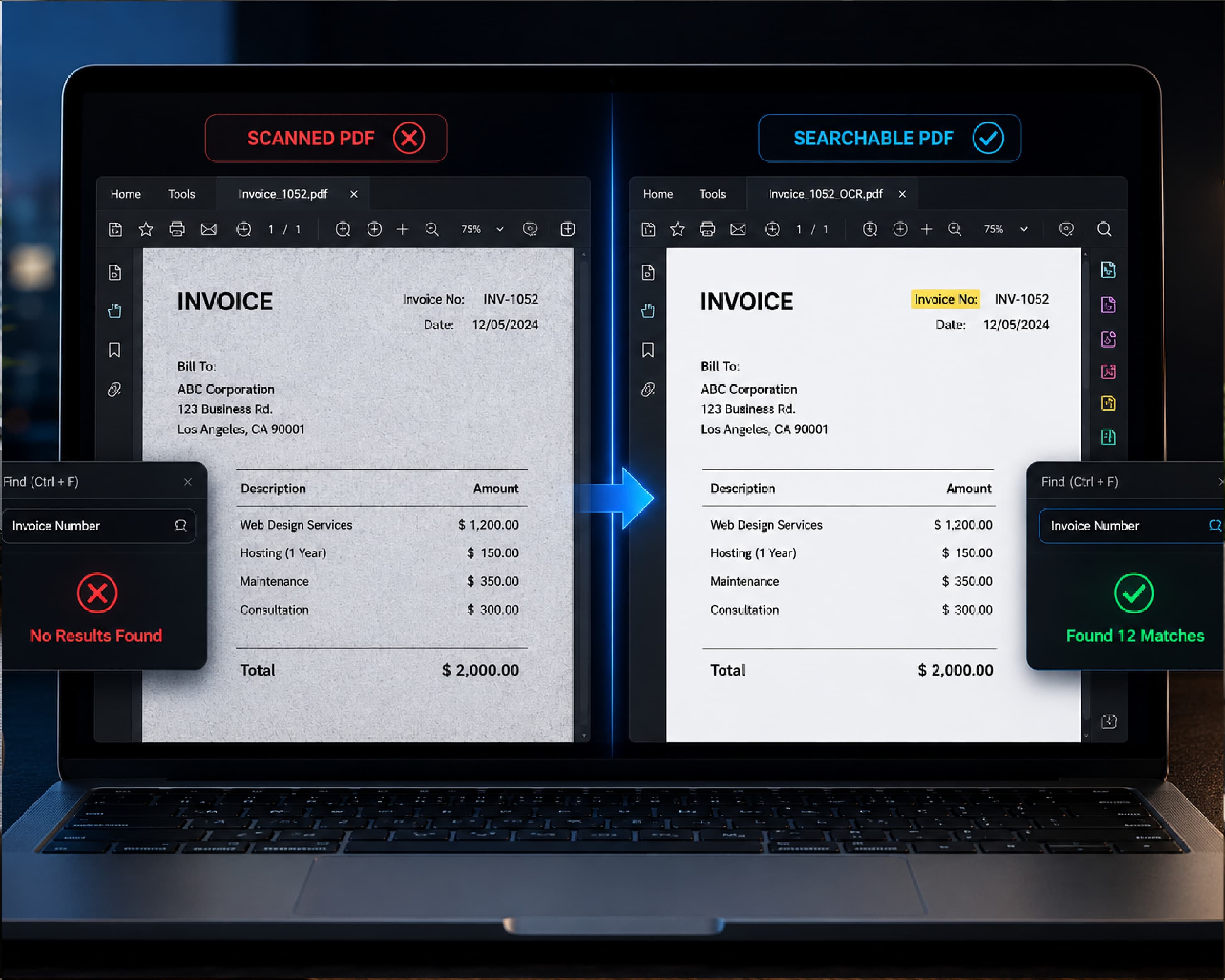
How to Extract Audio from Any Video with Plainscan

Plainscan works in your browser, so there’s nothing to install. Phone, tablet, laptop, whichever’s closest. The site has over 100 document and image tools, and it’s free to start.

  • Open the tool: Go to the video to audio page on Plainscan. You’ll see an upload area first.
  • Add your video: Drag your video in or pick it from your device. Video files can be big, so the upload may take a minute. Keep the page open.
  • Choose your format: If the tool lets you, pick the audio format you want. MP3 is a safe choice.
  • Download and listen: Save the audio file and play it. Listen to a few parts, including the start and the end, to make sure it all came through and sounds right.
How to Extract Audio from Any Video with Plainscan

Tips for Better Sound

  • Start with the original video. If you’re working from a copy that’s been compressed or sent through a chat app, the sound has already lost some quality. The original always gives you the best audio.
  • Don’t convert the same file again and again. Each round can lower the quality a bit. Get it right once and keep the result.
  • Check the volume. Some videos are quiet, and the extracted audio will be quiet too. A quick listen tells you whether you need to turn it up in another app.
  • Pick a sensible quality. If it’s only talking, a standard setting is fine. If it’s music you care about, go higher.
  • And keep your original video. It’s your backup, and you might want the picture again someday.

A Quick Word About Rights

This is the part people skip, so here’s the friendly version.

Extracting audio is perfectly fine for videos you made yourself, videos you have permission to use, or content that’s clearly free to reuse. But music, shows, and videos made by other people are usually protected by copyright. Pulling audio from someone else’s work to share or sell can get you into trouble.

If you’re not sure, ask the creator, or stick to your own recordings. It’s a good habit, and it keeps everybody happy.
Best Practices for Extracting Audio from Video

Who Gets the Most Out of This?

  • Students: Record a lecture or class discussion on video, then pull the audio and listen again while you walk, cook, or travel.
  • Podcasters and creators: Record on video, then save the audio for a podcast feed or to edit separately.
  • Journalists and interviewers: Interviews recorded on video become easy-to-share audio, ready for transcription.
  • Anyone with family videos: Hold onto the voices and sounds you love in a small file that’s easy to keep.

Is It Safe to Upload a Video Online?

You should always ask this about videos, since they often show people and places. Plainscan uses encrypted HTTPS connections, and uploaded files are deleted automatically within 24 hours. The site also says it doesn’t share your files with third parties.

For everyday clips, that sounds reasonable. But if your video has something very private in it, like personal conversations or confidential work meetings, think twice before uploading it to any website. That’s true for every online tool, not just this one.

What About the Free Plan?

You can start without paying. Plainscan has a free plan with daily limits, plus a Pro plan if you need more. There’s also a pay-as-you-go option where you buy credits only when you need them. If you only extract audio now and then, free will probably be enough. Check the tool page for the current limits.

Mistakes to Avoid

  • Using a bad copy is the big one. A video that’s been squeezed and resent will give you worse sound than the original.
  • Picking WAV when you don’t need it is another. The files get huge, and you may not hear the difference.
  • Not checking the result is a classic. Always listen to the whole thing, or at least the parts that matter, before you rely on it.
  • And grabbing audio from content you don’t have the rights to. Stick to your own work or things you’re allowed to use.

Conclusion

Sometimes you just want the sound. When you extract audio from any video, you get a small, easy file you can listen to, send, or save without carrying the whole video around. So next time you’ve got a long lecture, a recorded interview, or a family clip, take the audio. Pick a format, download it, and give it a listen. Your storage and your commute will thank you.

Related insights

ID Card Templates: How to Design Clean, Professional Cards Fast

ARTICLE

ID Card Templates: How to Design Clean, Professional Cards Fast

Think about the last time you went to a big event, started a new job, or joined a club. Chances are, someone handed you a card or badge with your name on it. It’s a small thing. But it tells people who you are, where you belong, and that someone planned things properly. A messy, hand-written one does the opposite. Making ID cards from scratch can be a headache, though. Sizes, photo boxes, logos, spacing. That’s where ID card templates come in. They give you a ready-made layout, so you just add your details. Let’s go through how to pick one, how to customize it, and how to print something you’re proud of.

Plainscan Team·November 7, 2026
4 min read
Business Templates: How to Save Time and Look Professional From Day One

ARTICLE

Business Templates: How to Save Time and Look Professional From Day One

Picture a small business owner on a Tuesday night. She’s finished a great job for a client, and now she needs to send an invoice. She opens a blank document. Types the date. Wonders where the invoice number goes. Moves a table around. Fixes the font. Forty minutes later, she has something that looks okay, but she’s not sure it’s right. Next week, she’ll do it all again. This is the problem business templates solve. They give you a ready-made layout for the documents you use over and over, so you fill in the details and get back to real work. Let’s look at what they are, how to pick good ones, and how to use them well.

Plainscan Team·November 7, 2026
4 min read
Cover Letter Templates: How to Write a Strong One in 15 Minutes

ARTICLE

Cover Letter Templates: How to Write a Strong One in 15 Minutes

You finished your resume. It looks great. You’re ready to hit submit. Then you see it. “Please attach a cover letter.” Suddenly your motivation drops. What do you say? How long should it be? Do you start with “Dear Sir or Madam,” or is that a little 1995? And how do you write about yourself without sounding like you’re bragging? This is exactly where cover letter templates help. They give you the layout and a clear flow, so you’re not staring at a blank page. Let’s look at how they work, how to use them well, and how to keep your letter from sounding like everyone else’s.

Plainscan Team·November 7, 2026
4 min read
Resume Templates: How to Pick the Right One (and Make It Work for You)

ARTICLE

Resume Templates: How to Pick the Right One (and Make It Work for You)

Opening a blank document to write your resume feels like standing at the bottom of a hill. Where does your name go? How big should the font be? Should your skills come first, or your job history? Twenty minutes later, you’ve moved a text box around eleven times and written nothing. That’s what resume templates are for. They give you the layout, the spacing, and the structure. You just add your story. Let’s talk about how to pick the right one, how to fill it in, and what to avoid.

Plainscan Team·November 7, 2026
4 min read
Free Photo Metadata Editor & EXIF Stripper: Share Photos Without Sharing Secrets

ARTICLE

Free Photo Metadata Editor & EXIF Stripper: Share Photos Without Sharing Secrets

You take a photo of the couch you’re selling and post it online. Simple, right? Here’s what you may not know. That photo might also contain the exact spot where you took it. If you took it at home, that could be your home address, tucked inside the file where nobody can see it. This hidden information is called metadata, and the most common type is EXIF data. A free photo metadata editor & EXIF stripper lets you look at it, change it, or remove it. Let’s go through what it all means and how to use it.

Plainscan Team·November 7, 2026
4 min read
Free Favicon Generator: How to Make a Site Icon in Minutes

ARTICLE

Free Favicon Generator: How to Make a Site Icon in Minutes

Look at the top of your browser right now. See those little pictures next to the page titles? Those are favicons. They’re tiny, but they do a lot. When you have ten tabs open, the icon is how you find the right one fast. When someone bookmarks your site, the icon helps them spot it in a long list. And a site with no icon at all looks a bit unfinished, like a house with no front door sign. The good news is that you don’t need a designer to make one. A free favicon generator can turn your logo into a full set of icons in about a minute. Let’s walk through it.

Plainscan Team·November 7, 2026
4 min read
Base64 to Image Decoder: How to Turn a Long String Back Into a Picture

ARTICLE

Base64 to Image Decoder: How to Turn a Long String Back Into a Picture

Someone sends you an API response. Or you open an email’s source code. Or you copy something out of a database. And right there, in the middle of it all, is a wall of text a mile long. It starts with something like “data:image/png;base64,” and then it just keeps going. Hundreds, maybe thousands of characters. That’s an image in disguise. And to see it, you need a Base64 to image decoder. Let’s go through what it does, how to use it, and what to do when it throws an error.

Plainscan Team·November 7, 2026
4 min read
Image to Base64 Converter: How to Turn Any Image Into Text (and When You Should)

ARTICLE

Image to Base64 Converter: How to Turn Any Image Into Text (and When You Should)

If you’ve ever poked around inside a website’s code, you might have seen something strange. A giant wall of random-looking letters and numbers, starting with “data:image/png;base64.” It looks like a cat walked across the keyboard. But it’s not random. It’s an actual image, turned into text. And the tool that makes it is called an image to Base64 converter. You might need one if you’re building a website, writing an email template, or working with an app that only accepts text. Let’s break down what Base64 is, how to use a converter, and the mistakes that trip people up.

Plainscan Team·November 7, 2026
4 min read
Free Character Counter: How to Check Letters, Spaces, and Limits Fast

ARTICLE

Free Character Counter: How to Check Letters, Spaces, and Limits Fast

You write the perfect bio. It’s funny, short, and sounds just like you. Then the app says it’s too long. You delete a word. Still too long. You delete another. Now it doesn’t make sense. This happens all the time, and it’s why a free character counter is so handy. Instead of guessing which words to cut, you see the exact number and know how far over you are. Let’s go through how it works, when you need one, and how to use it well.

Plainscan Team·November 6, 2026
4 min read
Free Word Counter: How to Check Words, Characters, and More in Seconds

ARTICLE

Free Word Counter: How to Check Words, Characters, and More in Seconds

“Write 500 words.” Seems simple until you’re staring at your draft wondering if you’re at 380 or 620. You could count by hand, but who has time for that? And if you guess wrong, you might lose points, get a post rejected, or have to rewrite half of it at the last minute. That’s where a free word counter comes in. Paste your text, and you see the numbers right away. Let’s look at what it does, who needs it, and how to use it without any stress.

Plainscan Team·November 6, 2026
4 min read

Get the Plainscan App for iOS & Android