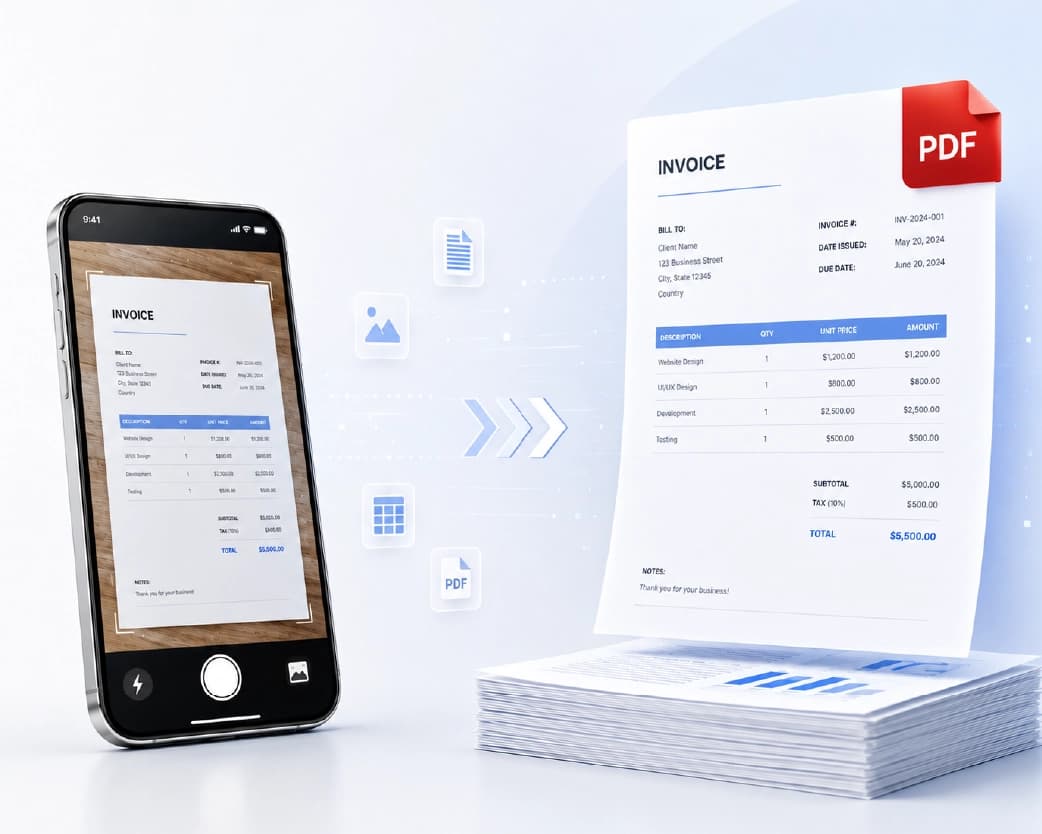
How to Redact Sensitive Information from a PDF (Permanently, Not Just Hide It)
To properly redact sensitive information from a PDF, you need to remove the data from the file itself rather than simply covering it with a black box. A genuine PDF redaction tool completely deletes the original text, images, or figures so that no one can subsequently select, copy, or recover them. If you merely draw a black rectangle over a name or account number, the original information usually remains underneath. This guide will show you how to permanently remove text from a PDF, how to avoid mistakes that expose information in "redacted" documents, and how to choose a free online PDF redaction tool that is truly effective.
What Does It Mean to Redact a PDF?
Redacting a PDF means permanently blacking out or removing sensitive information so that it cannot be viewed, copied, or restored. This process differs from simply hiding text or visually masking it.
When you black out text in a PDF using a standard drawing tool or highlighter, the software typically places a shape over the page. The underlying text, figures, or images remain exactly where they were in the file's code. If someone copies that section and pastes it into a text editor, or opens the file in certain PDF readers, they can still view the original information.
A proper redaction process works differently. It removes the actual characters or converts the page into a fixed image, leaving no extractable information behind. This is particularly important in a country like India, where documents often contain details such as Aadhaar numbers, PAN numbers, bank account information, or salary slips. Once such a document is shared online or via email, you no longer have complete control over where it goes next.
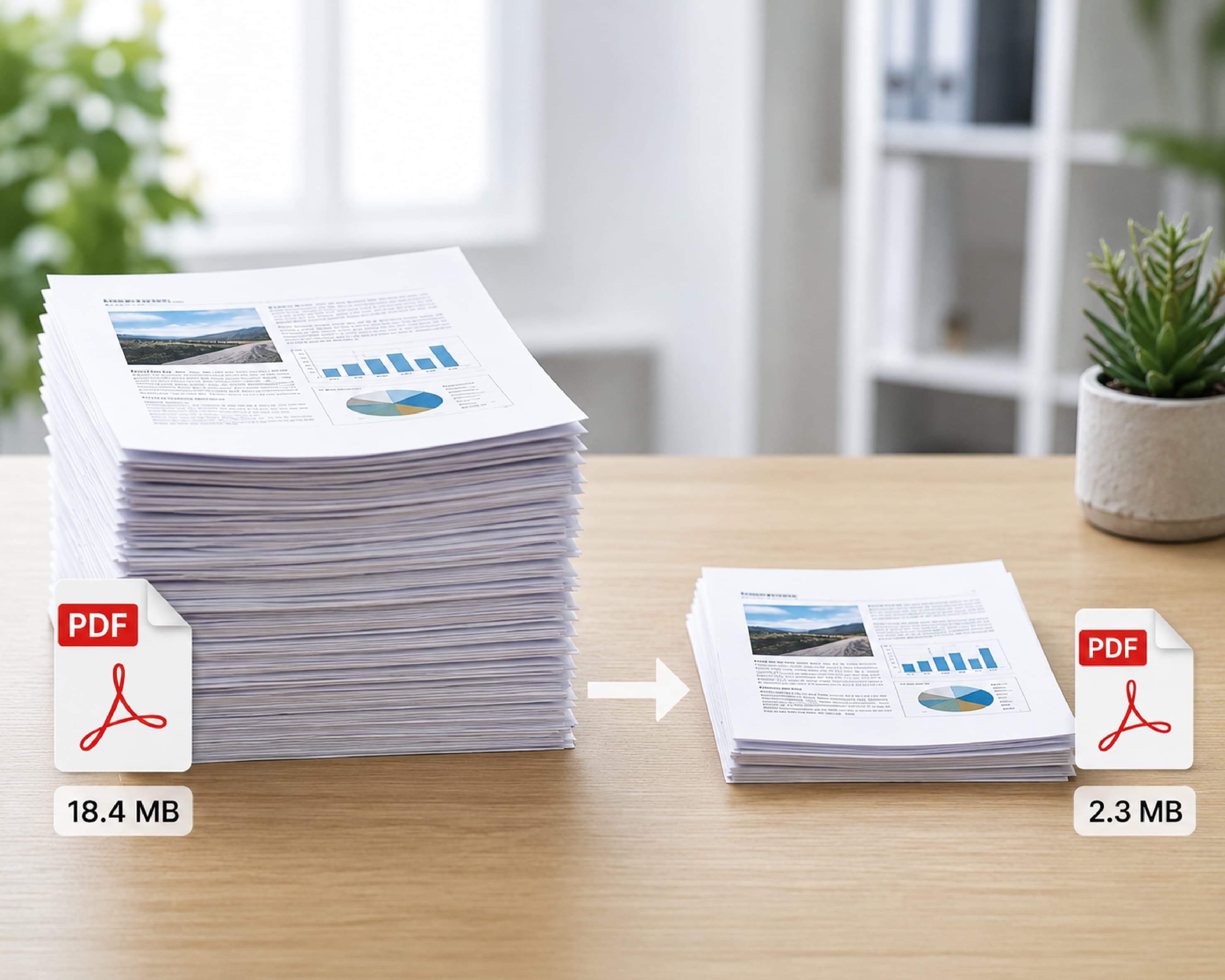
Why "Hiding" Sensitive Data Is Not Enough
Many people think covering a name or number with a black box is the same as removing it. It isn't, and this mistake causes real problems.
Here's why simple hiding fails:
- Text layer remains: PDFs store text as selectable data, separate from what you see on screen. A black box drawn on top doesn't touch this hidden layer.
- Metadata stays untouched: Author names, edit history, and hidden comments can remain in the file even after you "redact" the visible page.
- Search and copy still work: Someone can use "Find" or "Select All" in a PDF reader and pull out text that looks invisible on the page.
- Screenshots can be zoomed or edited: If the cover box was added carelessly, resizing or adjusting contrast sometimes reveals faint outlines of the original text.
This is exactly why most redaction guides warn users to always work on a copy of the original file, and to treat every redaction as final only after checking the output carefully.
How to Permanently Redact a PDF: Step-by-Step
You don't need expensive software to remove sensitive info from a PDF correctly. Most reliable free tools follow a similar process:
- Keep your original file safe. Duplicate the PDF first, since redaction can't be undone once you save the final version.
- Upload the PDF to a redaction tool. Choose a tool that works directly in your browser. Platforms such as plainscan let you open and edit PDFs online without installing anything, which is useful when you just need a quick, one-time redaction.
- Mark the sensitive areas. Draw a box over each name, number, signature, or image you want removed. Good tools let you select text directly, not just draw shapes, so the redaction lines up exactly with the content.
- Flatten or burn in the redaction. This step turns the marked area into a permanent part of the page, deleting the text or image underneath instead of just covering it.
- Download and verify the result. Open the new file and try to select or search the redacted sections. If nothing highlights or copies, the redaction works.
- Check the file properties. Look at the document metadata and remove any leftover author details, comments, or version history before sharing the file further.
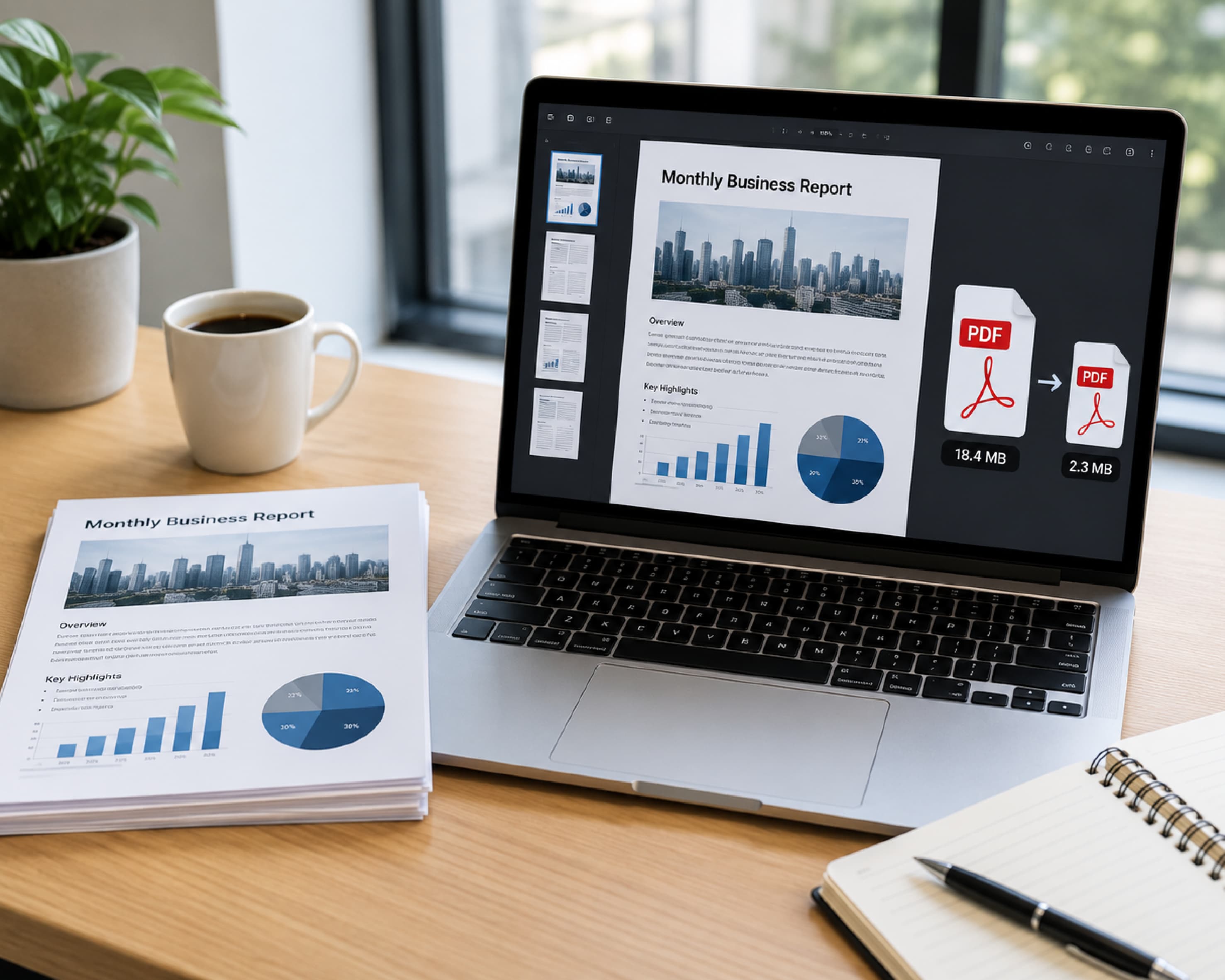
What to Look for in a PDF Redaction Tool?
Not every free redact PDF tool actually protects your data. Before you upload a sensitive document anywhere, check the following:
- Real deletion, not just visual cover: The tool should confirm redacted text is permanently removed, not hidden behind a shape.
- Local or short-lived processing: Tools that process files in your browser, or delete uploaded files automatically within a short time, reduce the risk of your document sitting on a server longer than needed.
- No sign-up required for basic use: A good tool should let you redact a personal information document without creating an account first.
- No watermark on the output: Free tools that add a watermark can make the redacted file look unprofessional for official use.
- Support for multiple pages: If you handle long contracts, bank statements, or reports, batch redaction across pages saves time.
Common Mistakes People Make While Redacting PDFs
Even with the right tool, small habits can undo your redaction:
- Forgetting the original copy: If you email both the redacted and the original file by mistake, the redaction becomes pointless.
- Redacting only what's visible on screen: Some sensitive data hides in layers, comments, or attached files within the PDF.
- Skipping the verification step: Always try to select and copy text from the final file before sending it anywhere.
- Using image-editing tools instead of PDF-specific ones: A screenshot with a box pasted over it can often be reversed with basic photo editing.
- Ignoring file metadata: Author names, company details, or timestamps in document properties can reveal what you meant to hide.
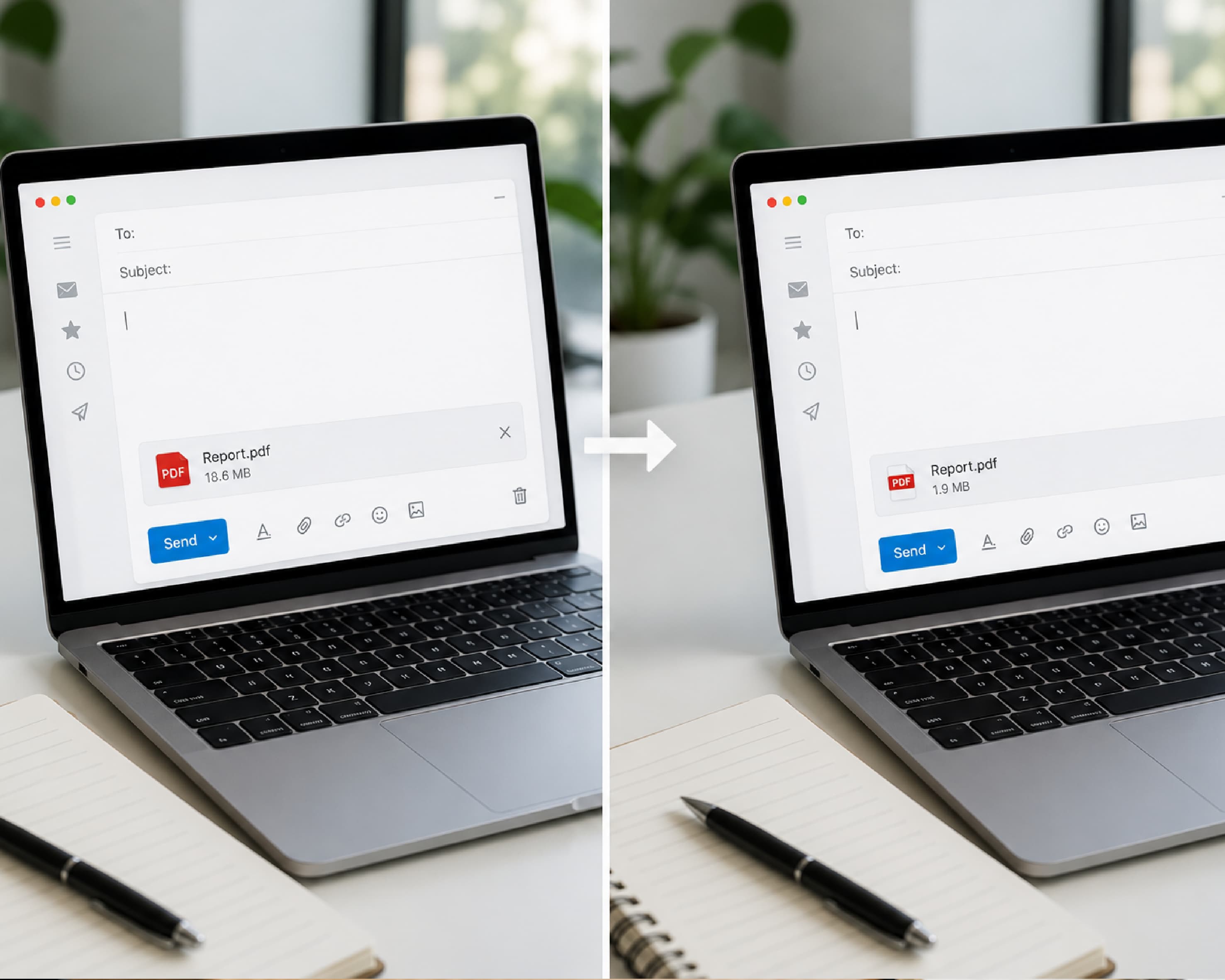
When You Actually Need to Redact a Document?
Redaction is useful whenever a document will be seen by someone who shouldn't have full access to every detail. Common situations in India include:
- Sharing bank statements or salary slips with a landlord, loan agent, or visa office, while hiding account numbers.
- Sending ID proofs like Aadhaar or PAN copies where only partial details are required.
- Preparing legal or HR documents where employee names or case details must stay confidential.
- Publishing sample contracts, reports, or invoices online for reference without exposing real client data.
Under India's data protection rules, individuals and businesses are expected to handle personal data responsibly, which makes correct redaction a practical habit, not just a technical one.
A Quick Way to Check Your Work:
Before sending any "redacted" file, do this simple test: open the PDF, select all the text with Ctrl+A, and copy it into a plain text document. If any hidden names, numbers, or sentences appear in that pasted text, the redaction has failed and needs to be redone. This single check catches most redaction mistakes before they leave your inbox.
Frequently Asked Questions
Q1. Is it safe to redact information from a PDF using a free online tool?
It can be safe, provided the tool actually removes the original information rather than just masking it, and does not retain your file on its server longer than necessary. Before uploading any sensitive information, check if the process is browser-based and whether the file is deleted automatically or after a short period.
Q2. Can the redacted information be recovered after downloading the file?
If the tool performed the redaction correctly-such as by removing the text or flattening the page into an image-then the content cannot be recovered. If it merely placed a black shape over the original text, that information can often still be selected, copied, or extracted.
Q3. Does redacting information from a PDF also remove hidden metadata?
Not always. Standard redaction tools focus on the content visible on the page. You should separately check the document properties for details like the author's name, comments, or version history, and remove them if necessary.
Q4. What is the difference between redacting information in a PDF and simply blacking out the text?
'Blacking out' generally means drawing a shape over text while leaving the underlying original information intact. 'Redaction' means permanently removing or destroying that information so that it cannot be viewed, searched, or copied again.
Q5. Can I redact information from a scanned PDF, or only from a text-based PDF?
Yes, information can be redacted from scanned PDFs as well, because redaction tools allow you to draw over any part of the page image-whether it contains typed text or is a scanned document. The main difference is that a scanned page lacks a separately selectable text layer; therefore, simply covering the visible area is usually sufficient, provided the tool permanently 'flattens' the change.
Q6. How do I know if the redaction process on my PDF was successful?
Open the final file, try to select the redacted area with your cursor, and attempt to find the removed word using the "Find" option. If nothing gets highlighted, copied, or appears in the search results, the redaction process was successful.
You may also like:How to Convert Scanned PDF Forms into Fillable & Editable Word Documents
Conclusion
Redacting a PDF the right way means deleting sensitive information, not decorating the page with black boxes. Once you understand that a real PDF redaction tool removes the underlying text and flattens the page, the process becomes simple: backup your file, mark the right sections, flatten the changes, and verify the output before sharing it. Tools like plainscan that let you handle these edits directly in the browser make this process quick, especially when you only need to prepare one document at a time. Take a few extra minutes to check your redacted file properly, and you avoid the far bigger problem of sensitive data leaking out later.
Recommended to Read:How to Extract Editable Text from Scanned Handwritten Notes & Low-Quality Images
Related insights


Get the Plainscan App for iOS & Android