Chat with PDF Online: How to Get Answers From Any File in Seconds
Back to Blog

Chat with PDF Online: How to Get Answers From Any File in Seconds

P
Plainscan Team
November 6, 2026
4 min read
Share

You’ve got a PDF open. It’s long. It’s boring. And somewhere on page 47 is the one thing you actually need to know. So you start scrolling. Then you try the search box, but you can’t remember the exact word the writer used. Ten minutes later, you’re still hunting. There’s a better way. You can chat with PDF online, which means you upload the file and simply ask it questions. Something like, “What’s the deadline in this contract?” Then you get an answer, often with a pointer to where it came from. It feels a bit like asking a friend who already read the whole thing. Let’s look at how it works, what it’s great at, and where you need to be careful.

What Does It Mean to Chat With a PDF?

It’s pretty simple. You upload a PDF to a tool that uses AI. The tool reads the text inside the file. Then you type questions, and it answers based on what’s in the document.

You might also hear it called an AI PDF reader or a chat with PDF AI tool. Some are free, some have limits, and some need a paid plan. Most run right in your browser, so there’s nothing to download.

The key idea is that the answers should come from your file, not from random guesses. That’s what makes it different from just asking a regular chatbot a general question.
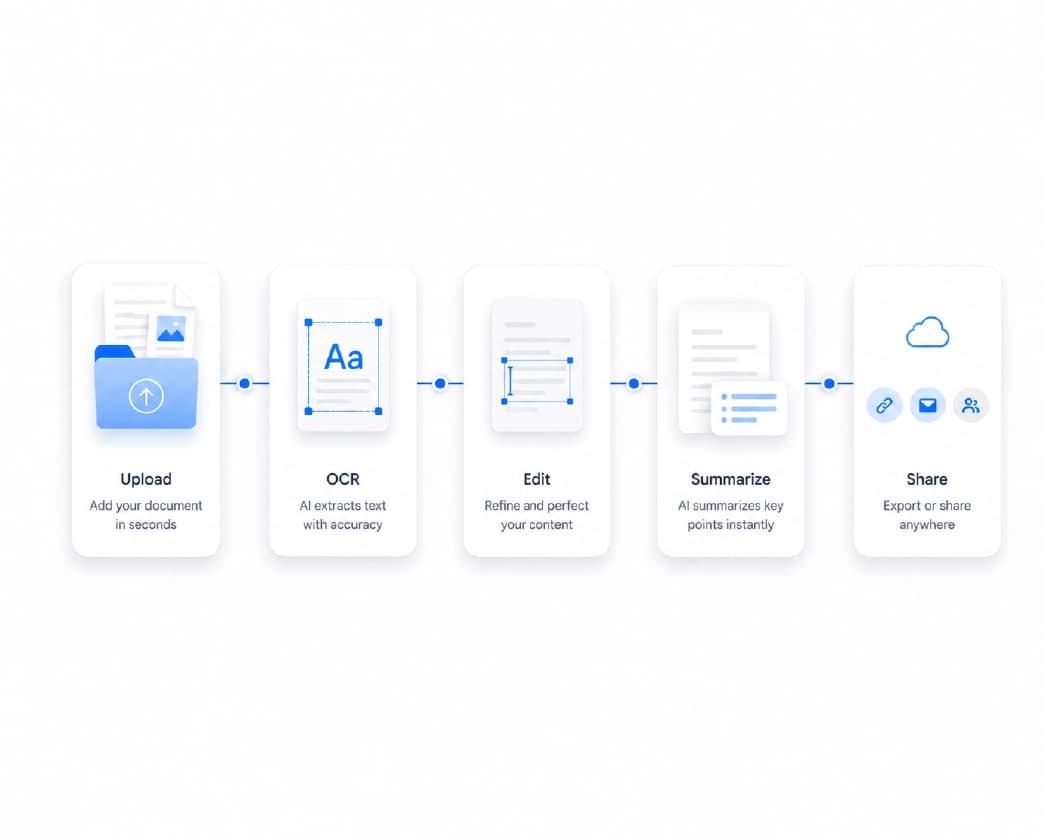
What Does It Mean to Chat With a PDF

When Is It Actually Useful?

Anytime you have a long or complicated document and a specific question.

Contracts and agreements. Ask about payment terms, deadlines, or cancellation rules without reading every clause.

Research papers. Find out what the study tested, what the main result was, and what the authors say about its limits.

Textbooks and class notes. Ask the file to explain a topic in simpler words, or to point you to the section about it.

User manuals. Ask “How do I reset this device?” instead of flipping through fifty pages.

Business reports. Pull out key numbers, dates, or decisions in seconds.

If you only need a quick overview, a PDF summarizer can help too. It’s like a short version of the whole file.
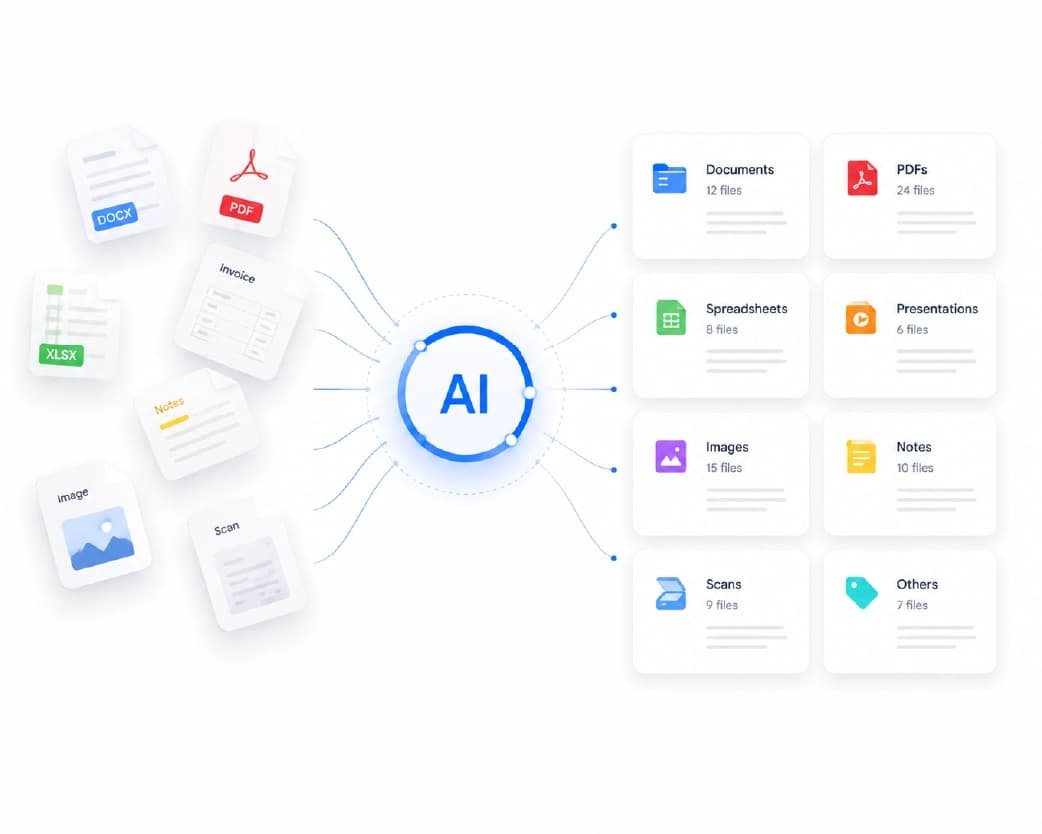
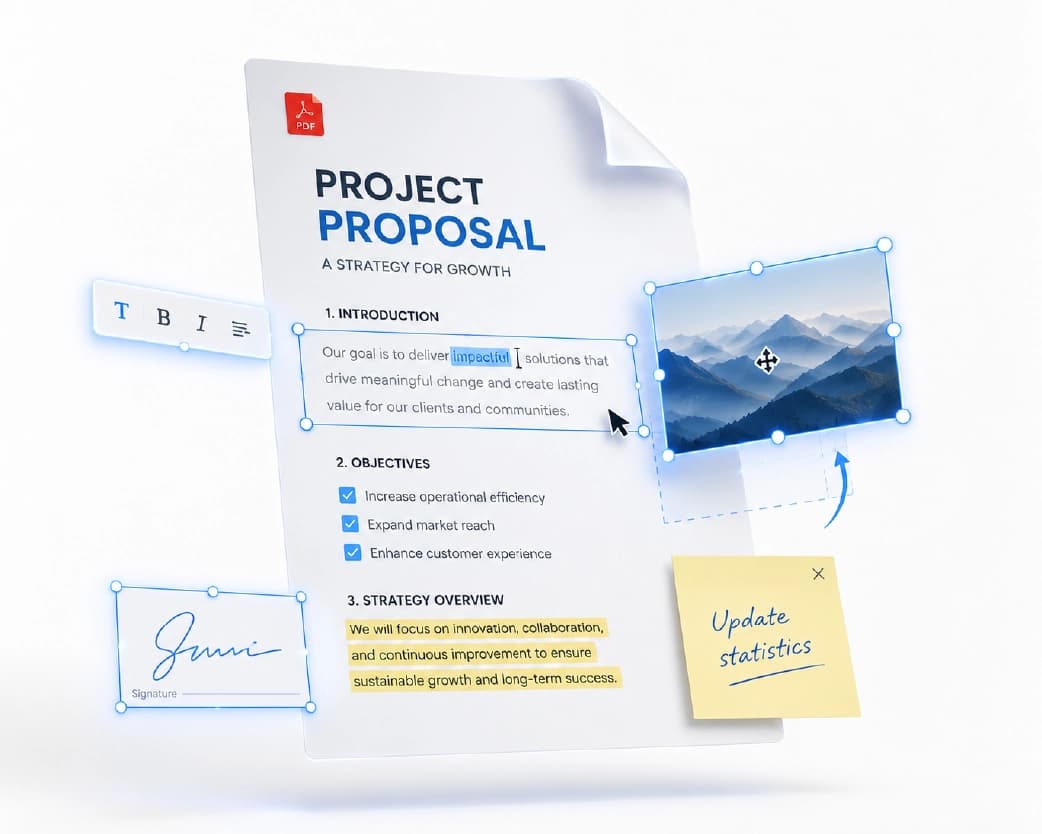
Practical Use Cases for Chatting with PDFs Online

How to Chat With a PDF Online Step by Step

You don’t need special skills. Here’s the basic flow.

Upload Your PDF

Pick your file and upload it. Free tools often have a size or page limit, so if your file is huge, you may need to shrink it first or split it into parts.

Wait for It to Load

The tool needs a moment to read your document. Longer files take more time, so give it a few seconds.

Ask a Clear Question

Type your question the way you’d ask a person. Be specific. “What does this say about refunds?” works better than “Tell me about this.”

Check the Answer

Read what it says, then look at the source in your PDF if the tool shows one. This takes ten seconds and can save you from a big mistake.

Keep Going

Ask follow-up questions. “Can you explain that more simply?” or “What’s the date for that?” Most tools remember what you were just talking about.

Questions That Get Good Answers

The way you ask changes what you get. Here are a few easy patterns.

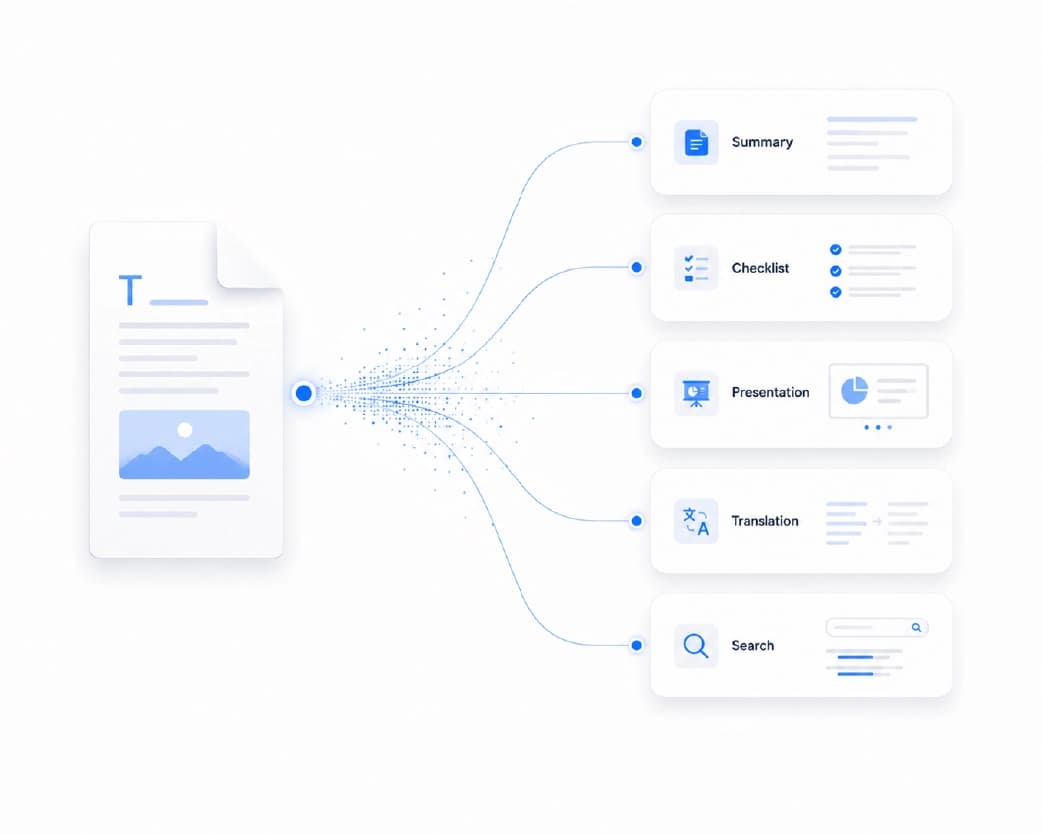
  • “Give me a short summary of this document.”
  • “What are the main points in section three?”
  • “List all the dates and deadlines mentioned.”
  • “What does the author conclude?”
  • “Explain this paragraph like I’m in eighth grade.”
  • “Does this document mention anything about fees?”

If an answer feels too vague, try asking in smaller pieces. One question at a time usually works better than three at once.
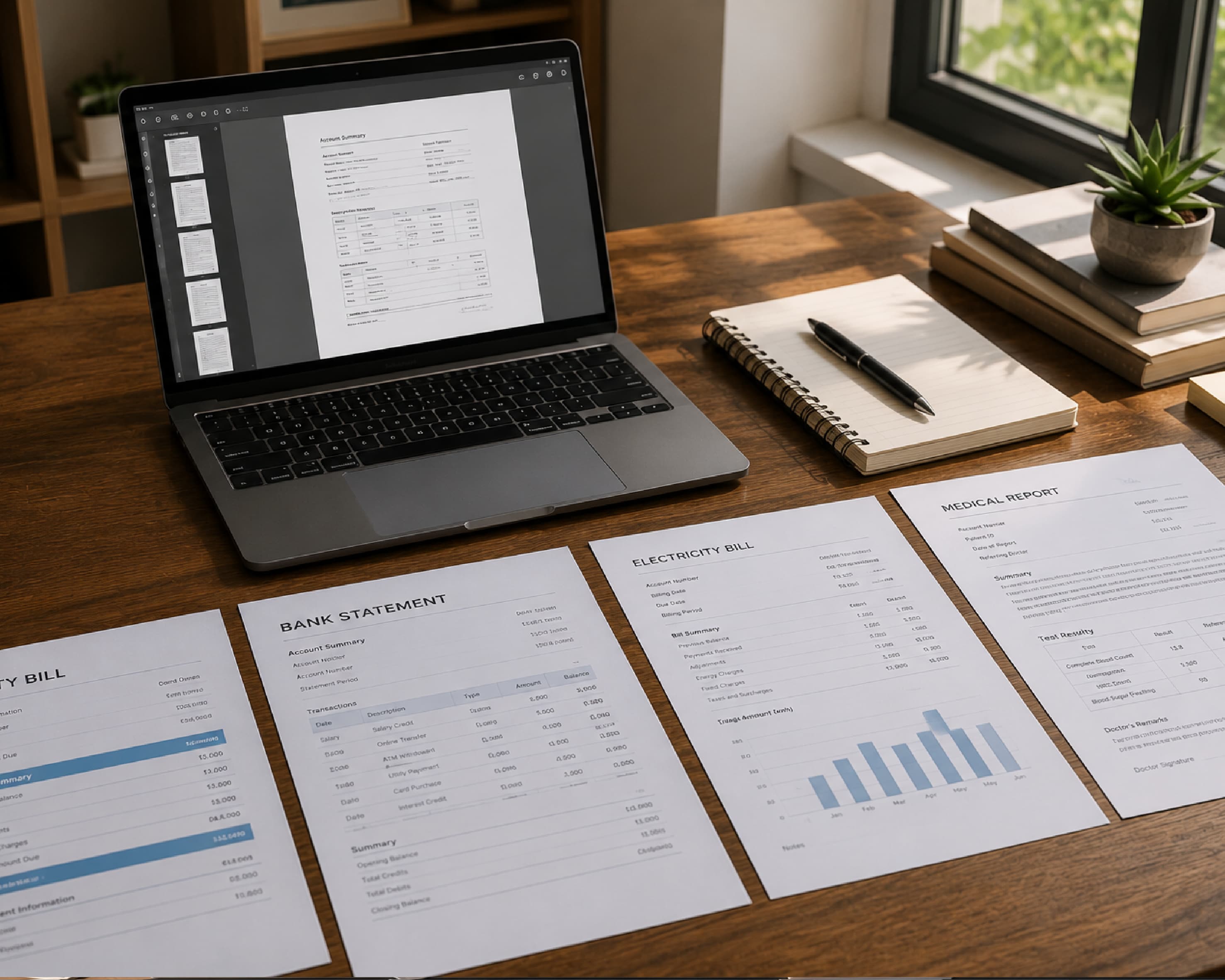
Questions and Prompts That Get Accurate Answers from PDFs

Where These Tools Can Go Wrong

This part really matters. Chatting with a PDF is handy, but it isn’t perfect.

The AI can misread something. It might leave out an important detail, or mix up two sections. It can also sound very sure while being wrong. And it can struggle with tables, charts, and images, since it mainly reads text.

So treat the answers as a fast first pass, not the final word. For anything important, like a legal agreement, a medical document, or a money decision, always check the original text yourself. And if the stakes are high, ask a real professional.

Scanned PDFs Need One Extra Step

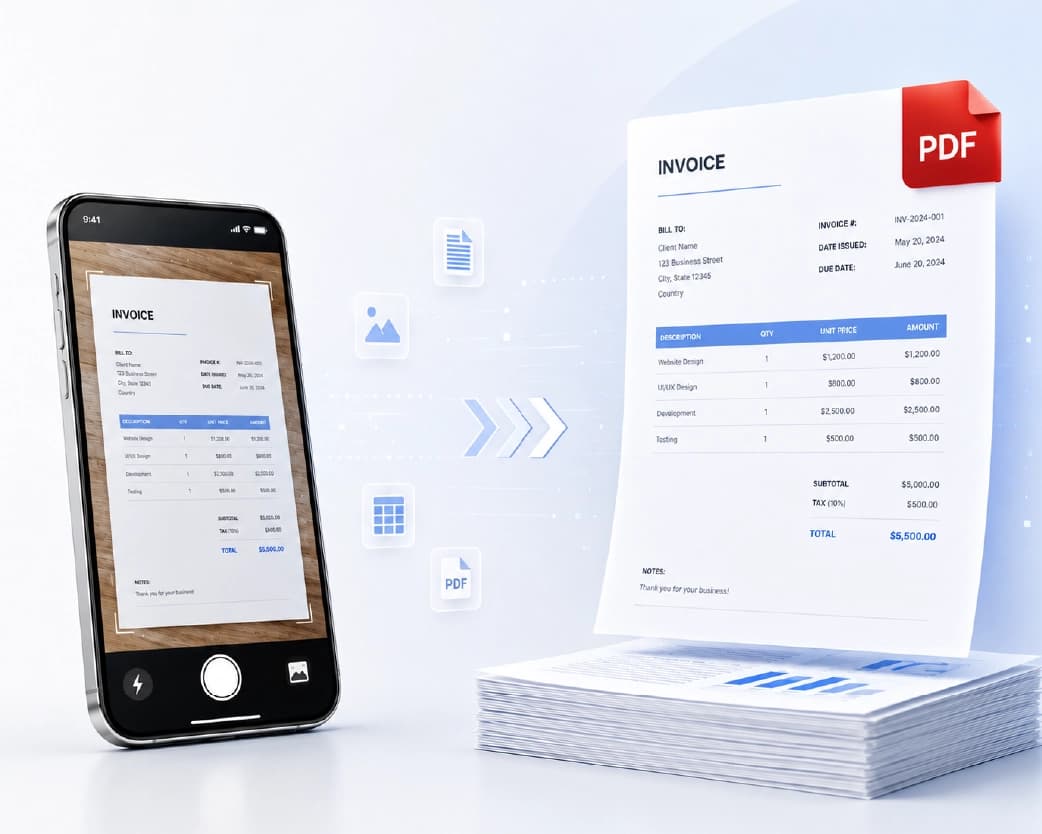
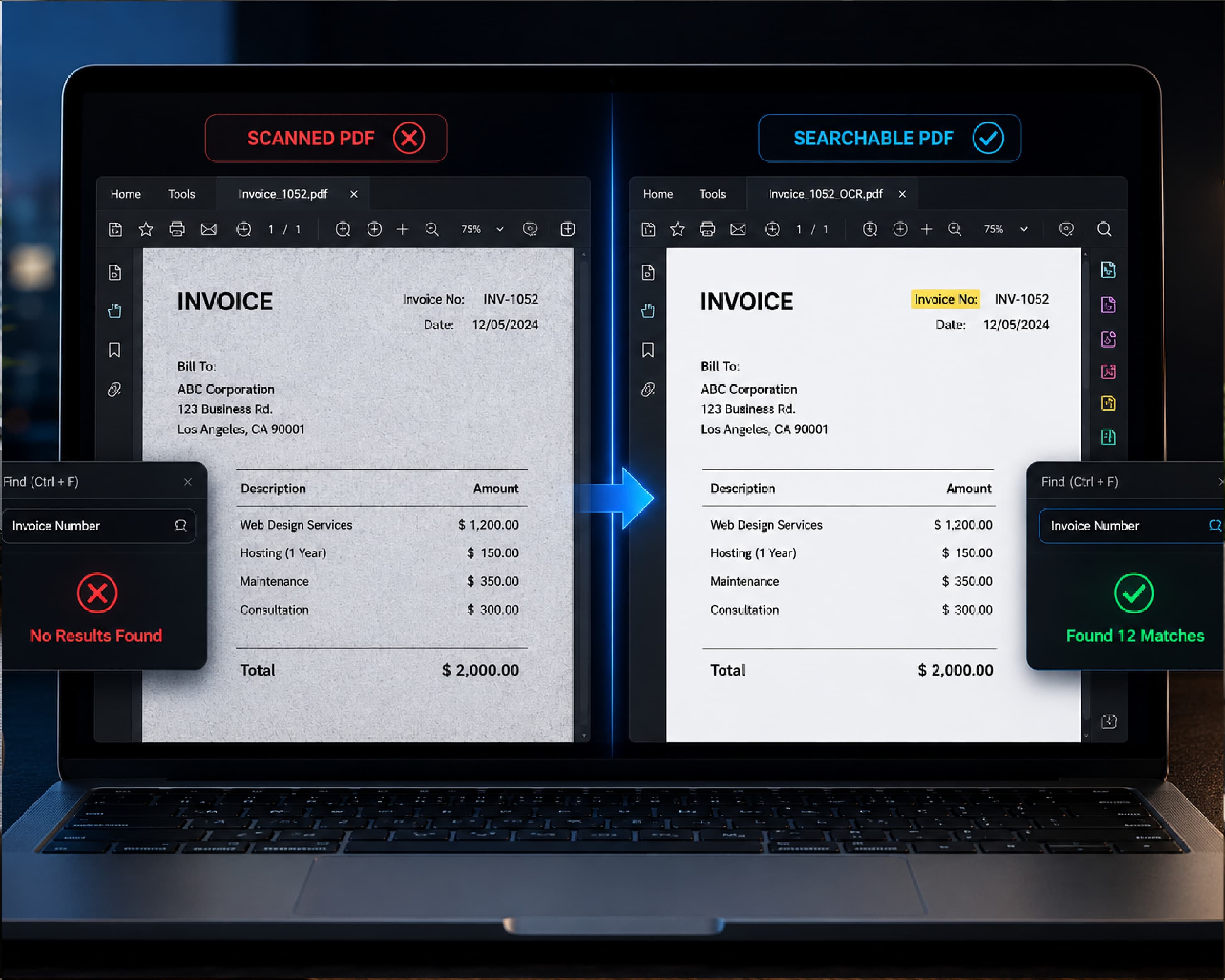
Here’s something that trips people up. Some PDFs are really just pictures of pages. They look like text, but the computer sees only an image. If you upload one of those, the tool may say it can’t read anything, or it might give strange answers.

The fix is OCR, which stands for optical character recognition. It’s a fancy way of saying the computer reads the words from the image and turns them into real, searchable text. Once that’s done, you can chat with the file normally.

Is It Safe to Upload Your PDFs?

It depends on the tool, and it’s smart to ask.

Before you upload anything, look for a few basics. Does the site use secure HTTPS connections? Does it say how long it keeps your files? Does it promise not to share them with third parties? Those answers should be easy to find.

And use common sense. If your PDF has private details like bank numbers, medical records, or other people’s personal information, think twice. You can remove or black out sensitive parts first, or skip the upload entirely.

Tips to Get More Out of It

Start with a summary, then dig into details. It’s like looking at a map before you walk through the town.

Ask the tool to point to the page or section for each answer. That makes checking so much faster.

If your file is big, break it into smaller parts. Questions about one chapter usually get sharper answers than questions about a whole book.

And save the good questions. If you often work with similar documents, like invoices or contracts, you’ll use the same kinds of questions again and again.
Preparing Documents and Managing PDF Privacy with Plainscan

Get Your PDF Ready With Plainscan

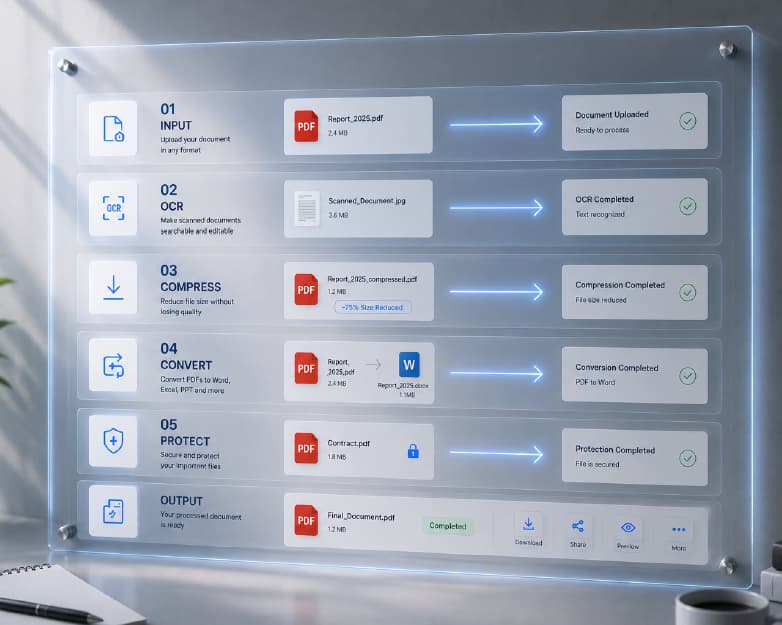
Sometimes the file isn’t ready to chat with. It might be a scan, it might be too big, or it might be stuck in a weird format.

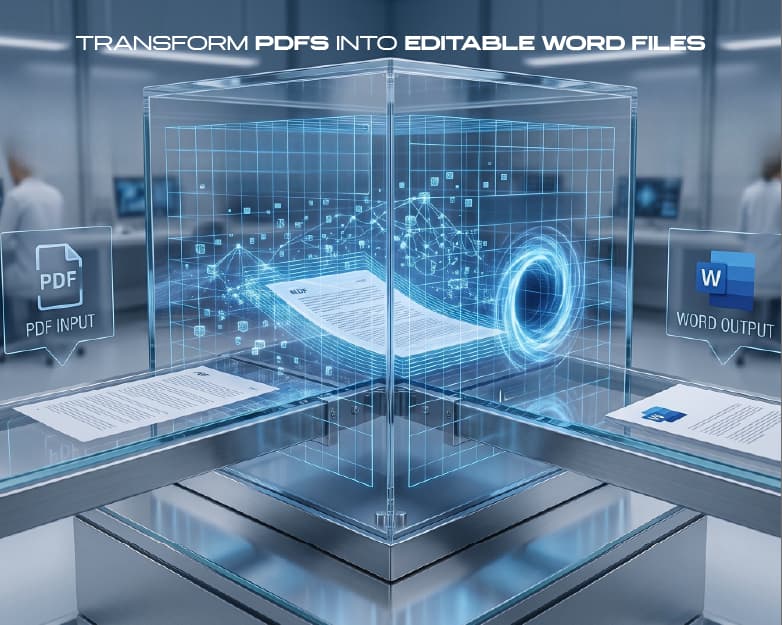
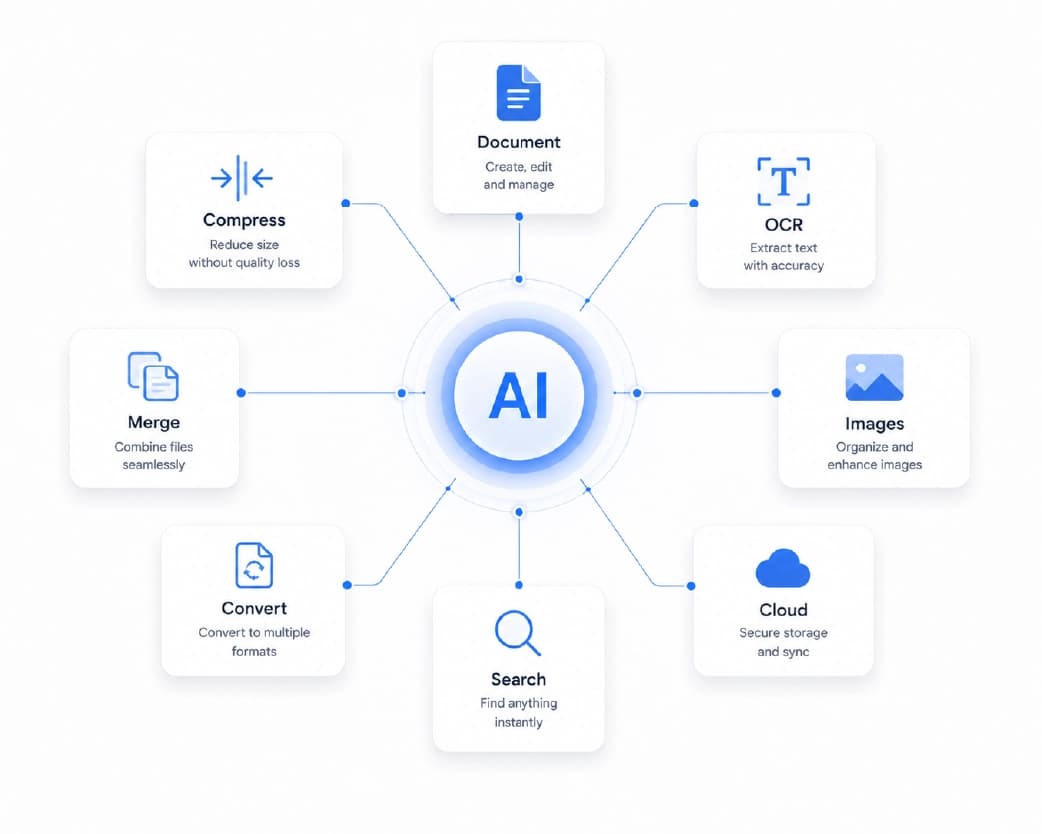
That’s where Plainscan can help. It’s a browser-based set of document tools. The Scan and OCR tool can turn scanned pages into real text. If your PDF is too heavy to upload anywhere, you can compress it. If you need to edit the content, you can convert the PDF to Word. And if you only want the main points of a long document, the AI Summarize tool can give you a short version. Keep in mind that Plainscan’s AI tools use credits or a Pro plan, while its basic PDF tools are free to start.

You can find them all at Plainscan.

Conclusion

Long PDFs don’t have to be a chore. When you chat with PDF online, you can ask questions, get quick answers, and skip the endless scrolling. Just remember the basics. Ask clear questions, check the answers against the original, and be careful with private files. Do that, and you’ll save a lot of time without taking big risks. Next time a giant PDF lands in your inbox, try asking it a question instead of reading every page. And if the file needs a little prep first, Plainscan has you covered.

Related insights

ID Card Templates: How to Design Clean, Professional Cards Fast

ARTICLE

ID Card Templates: How to Design Clean, Professional Cards Fast

Think about the last time you went to a big event, started a new job, or joined a club. Chances are, someone handed you a card or badge with your name on it. It’s a small thing. But it tells people who you are, where you belong, and that someone planned things properly. A messy, hand-written one does the opposite. Making ID cards from scratch can be a headache, though. Sizes, photo boxes, logos, spacing. That’s where ID card templates come in. They give you a ready-made layout, so you just add your details. Let’s go through how to pick one, how to customize it, and how to print something you’re proud of.

Plainscan Team·November 7, 2026
4 min read
Business Templates: How to Save Time and Look Professional From Day One

ARTICLE

Business Templates: How to Save Time and Look Professional From Day One

Picture a small business owner on a Tuesday night. She’s finished a great job for a client, and now she needs to send an invoice. She opens a blank document. Types the date. Wonders where the invoice number goes. Moves a table around. Fixes the font. Forty minutes later, she has something that looks okay, but she’s not sure it’s right. Next week, she’ll do it all again. This is the problem business templates solve. They give you a ready-made layout for the documents you use over and over, so you fill in the details and get back to real work. Let’s look at what they are, how to pick good ones, and how to use them well.

Plainscan Team·November 7, 2026
4 min read
Cover Letter Templates: How to Write a Strong One in 15 Minutes

ARTICLE

Cover Letter Templates: How to Write a Strong One in 15 Minutes

You finished your resume. It looks great. You’re ready to hit submit. Then you see it. “Please attach a cover letter.” Suddenly your motivation drops. What do you say? How long should it be? Do you start with “Dear Sir or Madam,” or is that a little 1995? And how do you write about yourself without sounding like you’re bragging? This is exactly where cover letter templates help. They give you the layout and a clear flow, so you’re not staring at a blank page. Let’s look at how they work, how to use them well, and how to keep your letter from sounding like everyone else’s.

Plainscan Team·November 7, 2026
4 min read
Resume Templates: How to Pick the Right One (and Make It Work for You)

ARTICLE

Resume Templates: How to Pick the Right One (and Make It Work for You)

Opening a blank document to write your resume feels like standing at the bottom of a hill. Where does your name go? How big should the font be? Should your skills come first, or your job history? Twenty minutes later, you’ve moved a text box around eleven times and written nothing. That’s what resume templates are for. They give you the layout, the spacing, and the structure. You just add your story. Let’s talk about how to pick the right one, how to fill it in, and what to avoid.

Plainscan Team·November 7, 2026
4 min read
Free Photo Metadata Editor & EXIF Stripper: Share Photos Without Sharing Secrets

ARTICLE

Free Photo Metadata Editor & EXIF Stripper: Share Photos Without Sharing Secrets

You take a photo of the couch you’re selling and post it online. Simple, right? Here’s what you may not know. That photo might also contain the exact spot where you took it. If you took it at home, that could be your home address, tucked inside the file where nobody can see it. This hidden information is called metadata, and the most common type is EXIF data. A free photo metadata editor & EXIF stripper lets you look at it, change it, or remove it. Let’s go through what it all means and how to use it.

Plainscan Team·November 7, 2026
4 min read
Free Favicon Generator: How to Make a Site Icon in Minutes

ARTICLE

Free Favicon Generator: How to Make a Site Icon in Minutes

Look at the top of your browser right now. See those little pictures next to the page titles? Those are favicons. They’re tiny, but they do a lot. When you have ten tabs open, the icon is how you find the right one fast. When someone bookmarks your site, the icon helps them spot it in a long list. And a site with no icon at all looks a bit unfinished, like a house with no front door sign. The good news is that you don’t need a designer to make one. A free favicon generator can turn your logo into a full set of icons in about a minute. Let’s walk through it.

Plainscan Team·November 7, 2026
4 min read
Base64 to Image Decoder: How to Turn a Long String Back Into a Picture

ARTICLE

Base64 to Image Decoder: How to Turn a Long String Back Into a Picture

Someone sends you an API response. Or you open an email’s source code. Or you copy something out of a database. And right there, in the middle of it all, is a wall of text a mile long. It starts with something like “data:image/png;base64,” and then it just keeps going. Hundreds, maybe thousands of characters. That’s an image in disguise. And to see it, you need a Base64 to image decoder. Let’s go through what it does, how to use it, and what to do when it throws an error.

Plainscan Team·November 7, 2026
4 min read
Image to Base64 Converter: How to Turn Any Image Into Text (and When You Should)

ARTICLE

Image to Base64 Converter: How to Turn Any Image Into Text (and When You Should)

If you’ve ever poked around inside a website’s code, you might have seen something strange. A giant wall of random-looking letters and numbers, starting with “data:image/png;base64.” It looks like a cat walked across the keyboard. But it’s not random. It’s an actual image, turned into text. And the tool that makes it is called an image to Base64 converter. You might need one if you’re building a website, writing an email template, or working with an app that only accepts text. Let’s break down what Base64 is, how to use a converter, and the mistakes that trip people up.

Plainscan Team·November 7, 2026
4 min read
Free Character Counter: How to Check Letters, Spaces, and Limits Fast

ARTICLE

Free Character Counter: How to Check Letters, Spaces, and Limits Fast

You write the perfect bio. It’s funny, short, and sounds just like you. Then the app says it’s too long. You delete a word. Still too long. You delete another. Now it doesn’t make sense. This happens all the time, and it’s why a free character counter is so handy. Instead of guessing which words to cut, you see the exact number and know how far over you are. Let’s go through how it works, when you need one, and how to use it well.

Plainscan Team·November 6, 2026
4 min read
Free Word Counter: How to Check Words, Characters, and More in Seconds

ARTICLE

Free Word Counter: How to Check Words, Characters, and More in Seconds

“Write 500 words.” Seems simple until you’re staring at your draft wondering if you’re at 380 or 620. You could count by hand, but who has time for that? And if you guess wrong, you might lose points, get a post rejected, or have to rewrite half of it at the last minute. That’s where a free word counter comes in. Paste your text, and you see the numbers right away. Let’s look at what it does, who needs it, and how to use it without any stress.

Plainscan Team·November 6, 2026
4 min read

Get the Plainscan App for iOS & Android